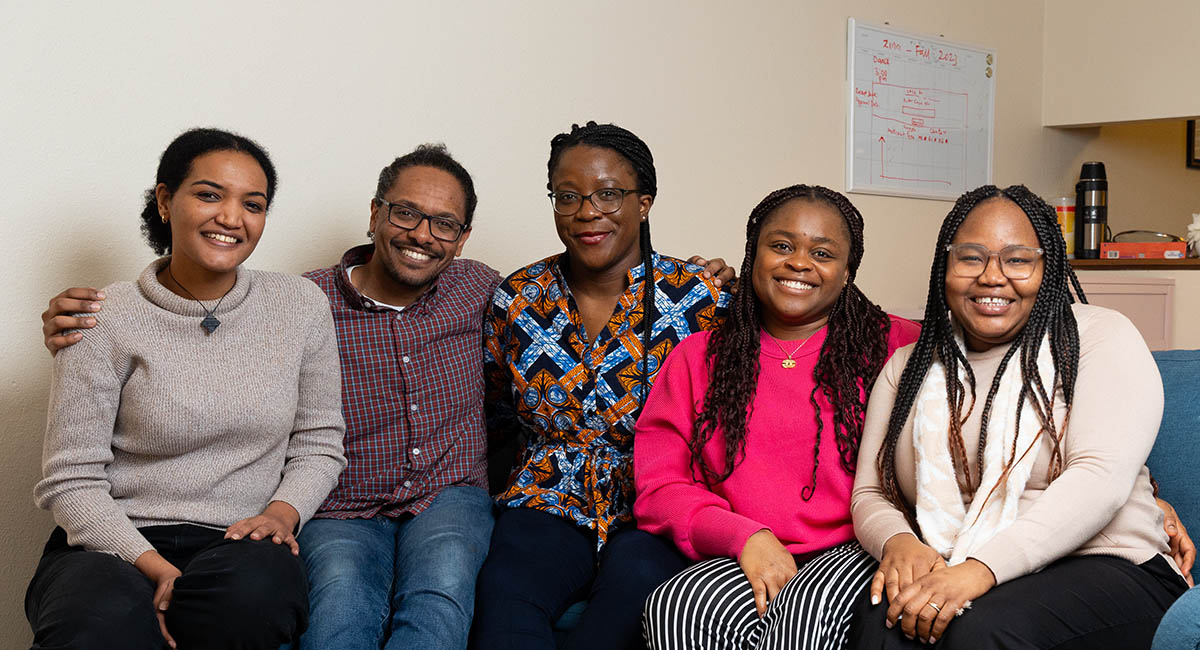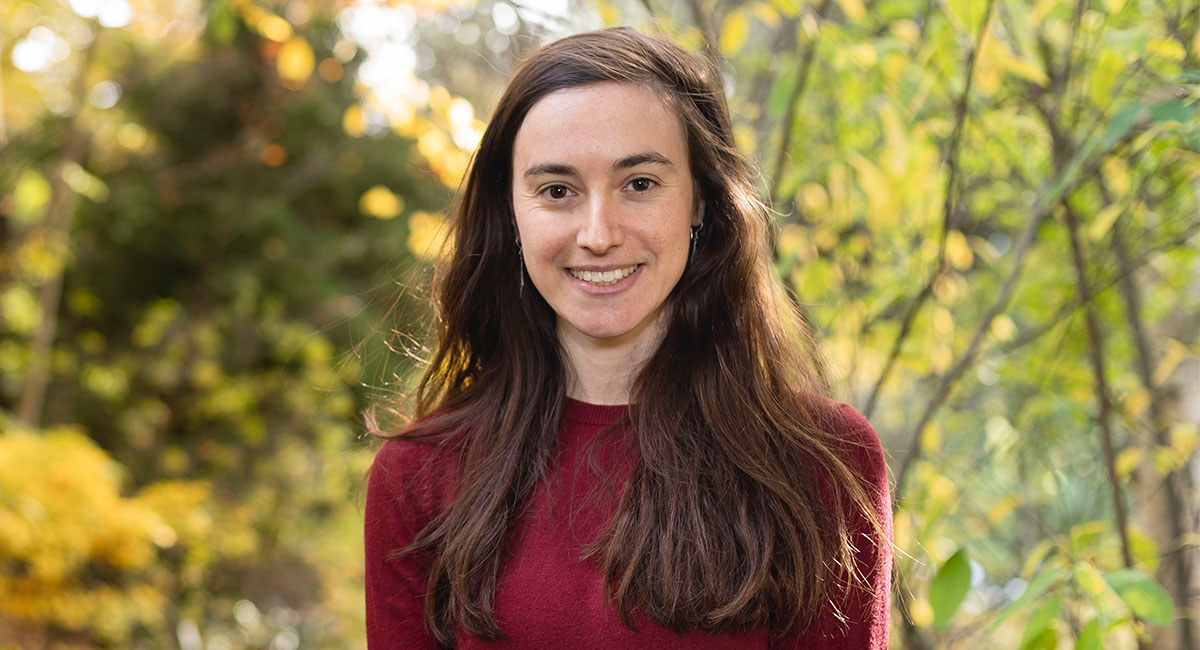


In this student-produced video, Dean Howard Frumkin, faculty and students of the University of Washington School of Public Health tell us how they are helping make our lives healthier and safer.
Here are some of the people you will meet:
![]() |
Larry Kessler, Chair, Department of Health Services |
![]() |
Amanda Fretts, PhD Candidate, Epidemiology |
![]() |
Ibrahim Ali, MPH Student, Global Health |
![]() |
Michael Yost, Professor,
Environmental & Occupational Health Sciences |
![]() |
Bruce Weir, Chair, Department of Biostatistics |
![]() |
Nicole Dankerlui, Program Coordinator, Department of Global Health |
![]() |
Adam Drewnowski, Director, Center for Public Health Nutrition |
||
Public health carries out its mission through organized, interdisciplinary
efforts that address the multiple determinants of health — biological; behavioral;
environmental; cultural; social, family and community networks; living and
working conditions; etc. — in communities and populations at risk for disease
and injury. Its mission is achieved through the application of health promotion
and disease prevention technologies and interventions designed to improve and
enhance quality of life.
Health promotion and disease prevention technologies encompass a broad array of functions and expertise, including the three core public health functions:
While public health is comprised of many professional disciplines such as medicine, dentistry, nursing, optometry, nutrition, social work, environmental sciences, health education, health services administration, and the behavioral sciences, its activities focus on entire populations rather than on individual patients.
Doctors treat individual patients one-on-one for a specific disease or injury. Thus, patients need medical care only part of the time, when they are ill. Public health professionals, on the other hand, monitor and diagnose the health concerns of entire communities and promote healthy practices and behaviors in individuals to keep our populations healthy. Communities need public health all of the time in order to stay healthy.
This population-based approach to health
Health care is vital to all of us some of the time, but public health is vital to all of us all of the time.