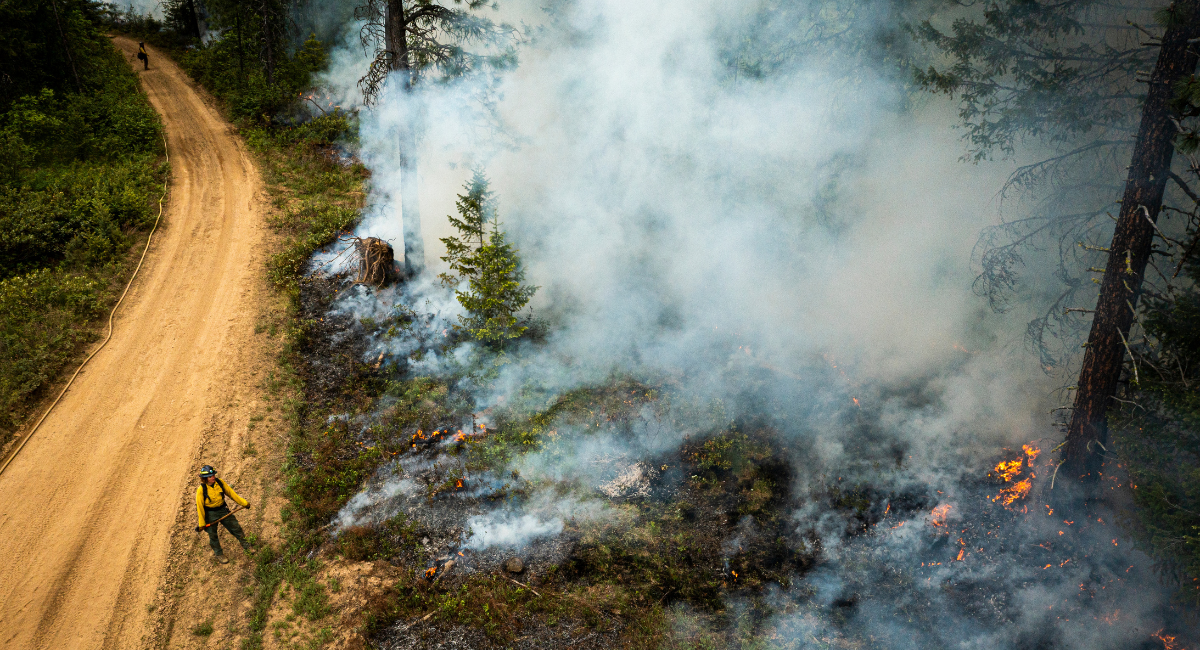
When the Eagle Creek fire roared through the Columbia River Gorge in 2017, it was during the salmon commercial fishing season. Tribal fishers along the river were out in boats as the sky turned a dark red and the air filled with smoke.
Buck Jones was working at the Columbia River Inter-Tribal Fish Commission (CRITFC), the fisheries technical and advisory organization of the four Columbia River treaty fishing Tribes: the Yakama, Umatilla, Warm Springs, and Nez Perce. As the fire burned, blocking Interstate 84 that borders the river in Oregon, Jones drove up to the Washington state side and along the river to distribute high quality masks to the Tribal fishers and staff working there. The air quality was so bad, he couldn’t see across the river to the Oregon shore.
“The fire really made me aware of how vulnerable we can be in the Gorge,” said Jones, who is an enrolled member of the Confederated Tribes of the Umatilla Indian Reservation and salmon marketing specialist at CRITFC.
Jones remembers this as the beginning of his work in emergency preparedness and response. As he facilitates communication between state and Tribal communities, he’s experienced how important it is that Tribes have an equal voice in decision making during emergencies.
Jones is sharing his emergency and disaster-related experiences with fellow Pacific Northwest communities through the Northwest Center for Evidence-Based Public Health Emergency Preparedness and Response (NWPHEPR). Led by faculty from the University of Washington School of Public Health, the Center is one of 10 in the country funded by the Centers for Disease Control and Prevention (CDC) that is tasked with supporting implementation of evidenced-based interventions for disaster preparedness alongside communities.
A critical part of this work is its collaborative effort between community partners across the Pacific Northwest in FEMA’s Region 10: Alaska, Washington, Oregon, Idaho, and 272 Tribal nations. It includes Tribal partners, state and local health departments, health care coalitions, and academic researchers. Through this shared learning, the Pacific Northwest will be better prepared to face the disasters that impact our region, especially as changing weather increases threats of wildfires, smoke, flooding, and heat waves.
“All disasters start and end locally,” said Resham Patel, deputy director for NWPHEPR and UW School of Public Health faculty. “For us there is a practice and research gap we are trying to bridge and it has to be informed with what our practice-based partners experience with boots on the ground.”
A national call to save local lives
Having evidenced-based approaches to keep communities safe during disasters is critical for population health. Yet, a 2021 report from the National Academies of Science, Engineering and Medicine concluded that “the science underlying the nation’s system of response to public health emergencies is seriously deficient, hampering the nation’s ability to respond to emergencies most effectively to save lives and preserve well-being.”
“Lack of coordination between those who work on public health emergencies and those who study them has resulted in research that is not always directly relevant to public health practice,” said Nicole Errett, NWPHEPR director and UW School of Public Health faculty. “There is so much opportunity to develop and apply a practice-relevant evidence base, together.”
To fill this gap, the CDC began funding these Centers for Evidence-Based Public Health Emergency Preparedness and Response around the country. These regionally focused hubs are meant to partner with state and local health departments, Tribal organizations and others to support preparedness for everything from fires to pandemics.
The UW Center’s task is preparing the Northwest before disaster strikes. By building relationships in advance and sharing knowledge, disaster responses can be better coordinated. Over the past few years, the Center has convened Tribal partners, leaders from local health jurisdictions, state agencies, health care organizations and coalitions, among others, to create a shared agenda for the Northwest Region 10 Center. These conversations led to the development of three primary focus areas for the Center: communication, workforce capacity and leadership, and assessing and addressing current capabilities and future hazards.
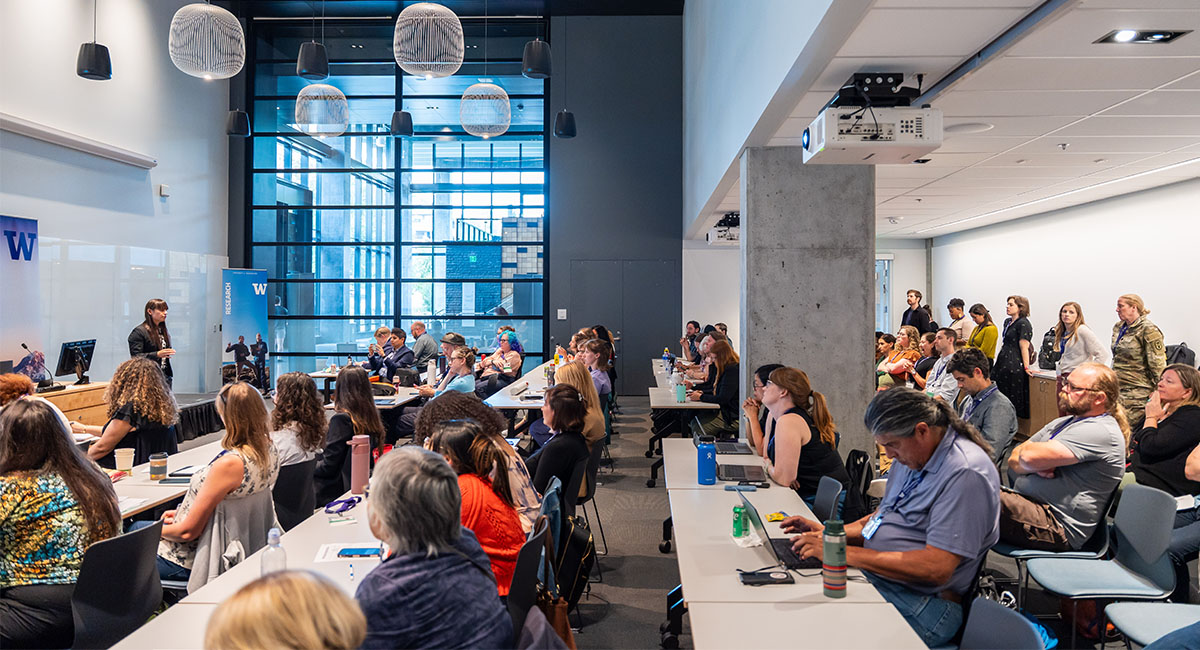
In its first year of operation, the Center launched an inaugural Crisis Leadership Institute in response to regional partners’ needs. The Center also gathered over 100 preparedness practitioners and experts from across the region for a two-day conference to discuss problems and solutions for Pacific Northwest disasters, like floods, landslides, volcanoes, earthquakes, and wildfires.
“There is so much that we need to be prepared for: in the last few months of 2025 alone the remnant of Typhoon Halong struck Alaska’s Yukon-Kuskokwim Delta and a powerful atmospheric river dumped more than nine-million acre-feet of water on western Washington,” Errett said. “There are so many unique hazards and communities in the Northwest and ways we address those need to be informed by the unique and local knowledge held here.”
Shared learning from Tribal partners
One of the elements that makes Region 10 unique is the number of Tribes across the region. Amongst those Tribes comes thousands of years of knowledge and experiences with these geographies and weather patterns.
As Jones pointed out, being able to incorporate traditional knowledge is critical when it comes to taking care of the environment.
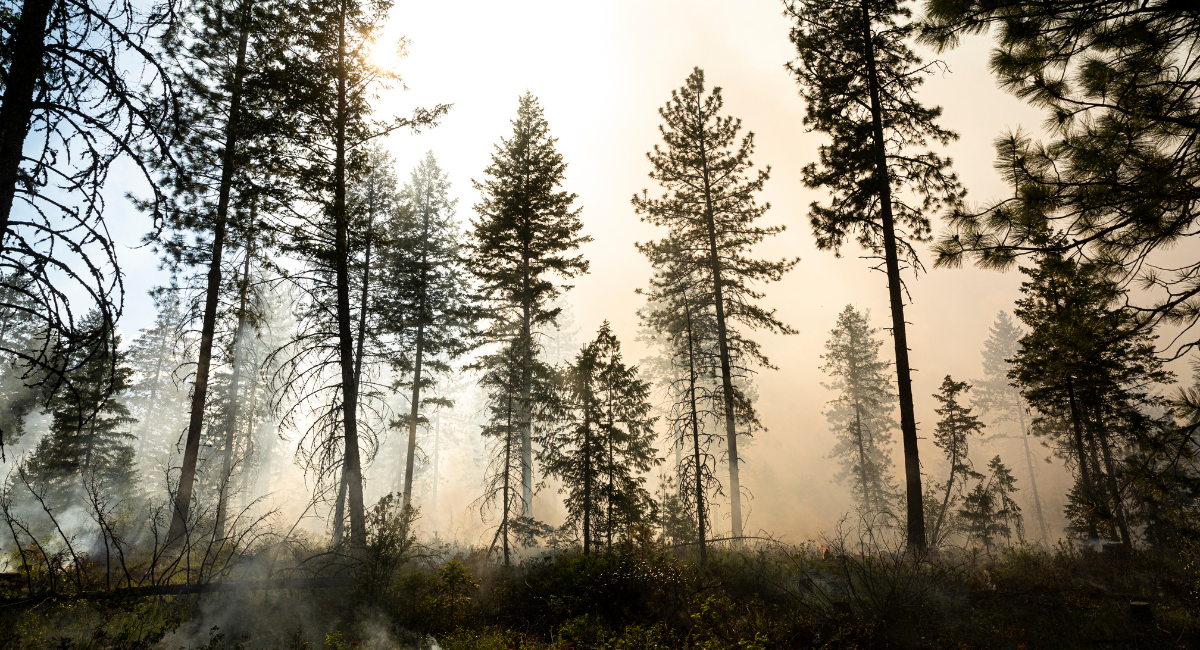
“Tribes knew a long time ago that you couldn’t let forests and dead trees just grow,” Jones said. “You could have controlled burns and it would thin out the forest and be better for the environment. They knew how to care for the land and the water. That knowledge has always been there but with the encroachment of nontribal groups throughout history, it got pushed aside.”
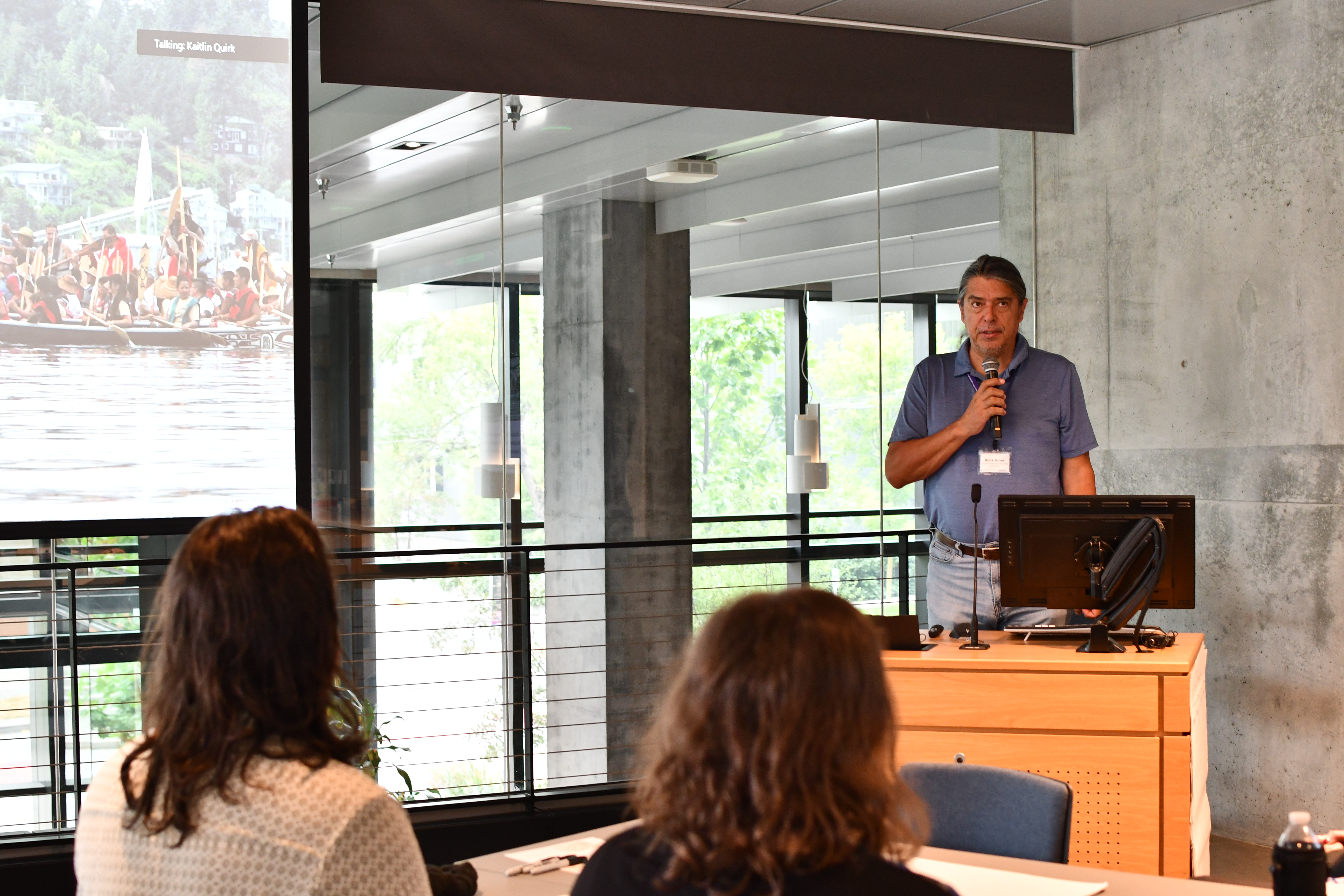
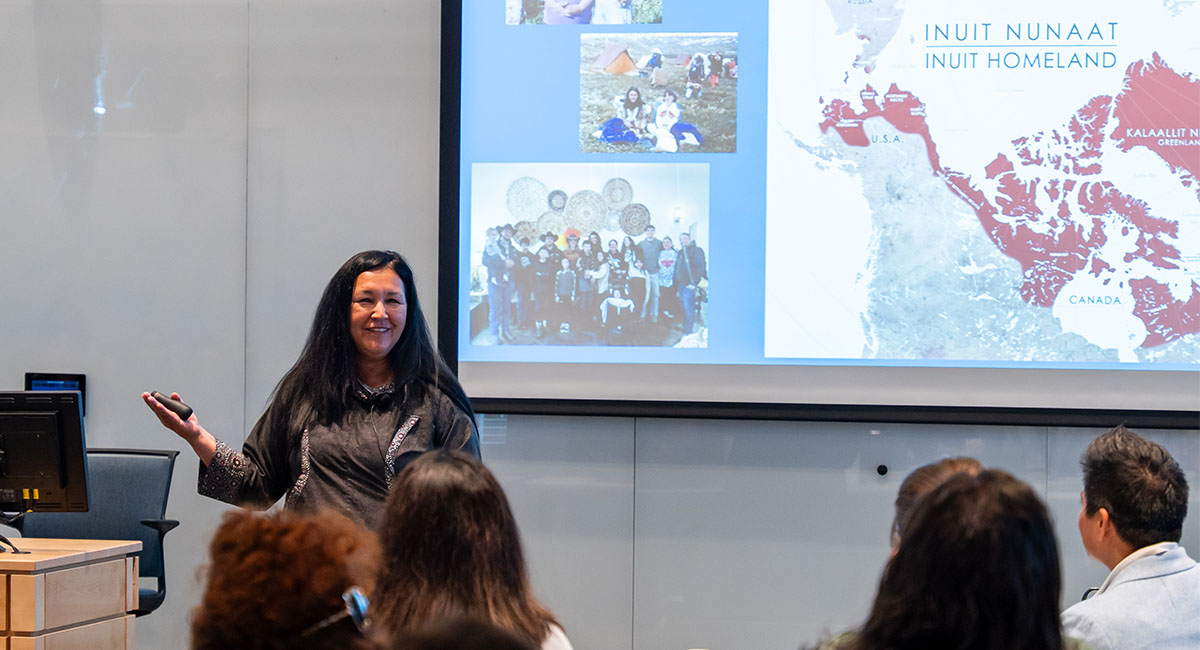
Jones is one of dozens of Tribal partners of the Region 10 Center. He attended the first Tribal partner meeting at the wǝɫǝbʔaltxʷ – Intellectual House at the UW Seattle campus in early 2024.
During the meeting, Jones shared that building good communication practices between Tribes and state or local organizations required building trust. It required consistently showing up to events that were important to Tribes, so that people who want to be good partners can become recognized. It required flexibility and patience, so being adaptable with meeting times and schedules. He shared that there are important cultural communication differences to be mindful of: Indigenous partners might not give responses immediately because they often value listening before speaking, for example.
“Tribes had that knowledge of lived experiences and in some ways we are trying to go back to that place, because if we’d listened to Tribes a long time ago, we might be in a better position…” Jones said. “Being able to be in this collaborative group with educators, we've been able to be unfiltered and our knowledge has still been able to be recorded and there’s trust that has been built.”
Working with Tribes is an important component of NWPHEPR’s work, Errett said, and makes Region 10 unique.
“Effective interventions aren’t just those that have been evaluated by researchers, but also those that have been shown to work over and over again since time immemorial,” Errett said. “We’re so grateful for our Tribal partners’ willingness to share ways that their communities have prepared for and managed disasters.”
Convening communities to protect the Northwest
Jefferson County stretches from the east to west sides of the Olympic Peninsula in Washington state. To drive across takes three hours and requires leaving the county to circumvent a mountain range, a national park, and a rainforest. That means when disaster strikes, whether that’s forest fires, heat waves, or pandemics, communication across the vast and rural county is critical to keeping its 32,000 residents safe.
ocean mason is part of a team that works to keep the county safe during disasters. mason is a communicable disease team lead and local emergency response coordinator for Jefferson County Public Health. mason’s work includes harm reduction, immunizations, responding to communicable diseases, and planning emergency responses.
As a small team, mason and their teammates wear many hats. But they were able to learn strategies that support their work through the NWPHEPR’s Crisis Leadership Institute.
The Crisis Leadership Institute was the first intervention the Center created to address regionally-identified gaps in leadership and workforce capacity during disasters. Region 10 partners indicated that this kind of training is important for supporting large and small agencies that must navigate a diverse range of disasters. The training led participants through a disaster scenario and provided lessons and group discussions for how to make decisions. The 16 state and local participants in the inaugural training shared their experiences and learned from each other.
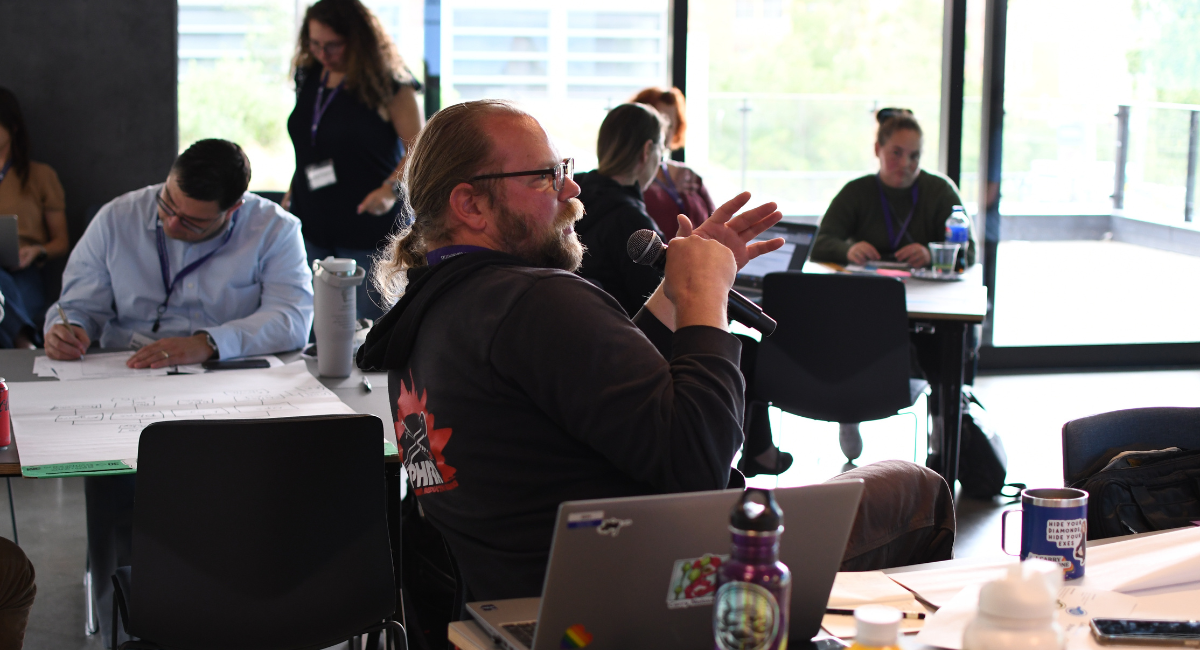
mason said they will use tools like the decision making tree to inform their work building response plans to crises.
“Having an actual educational structure around crisis leadership lets me build resources that support our other leaders who don't have time or capacity to do that learning themselves,” mason said. “It gives us a framework to build support structures to help us all.”
mason said they valued learning from their peers during the institute, whose communities had different regulations, social frameworks, and perspectives. They also found it helpful to hear from Tribal partners that it’s important to show up consistently and build relationships for effective partnership and communication.
“As emergency response people, collaboration is so much at the core of what we do,” mason said. “We can only handle so much by ourselves and we have to rely on each other for resources, support, and information sharing. Building those relationships in the preparation phase and the preparedness phase is what makes us stronger when we need to respond.”
A critical part of the knowledge sharing was the Northwest Preparedness & Resilience Conference at UW in September 2025, that brought together more than 100 participants representing Tribes, states, and local health jurisdictions from Alaska, Washington, Idaho, and Oregon. The two-day conference featured informative and collaborative-learning sessions based on regional public health preparedness topics, including workforce and communications. Conference participants shared and learned from peers across the region through oral and poster presentation sessions. Participants were also able to inform the regional center’s future work through an interactive workshop.
“The point of the conference was to allow for listening and sharing,” Patel said. “We haven’t had a space to have these conversations. We’ve been hearing from folks that they appreciated the opportunity to have a dedicated discussion on these topics and enjoyed that it was tailored to issues in Region 10, so we can collectively work to support more resilient communities.”