In 2025, University of Washington School of Public Health (UW SPH) faculty and students have been working alongside communities to improve public health. They’ve transformed seaweed into soil, protected workers from occupational hazards, and promoted clean drinking water. Collaborative partnerships and sustainable funding are critical to this work, to ensure that the state, nation and world can live healthier, longer lives.
Here are the top 10 public health stories from the UW SPH community in 2025. You can view dozens more of these stories on our website and follow along as our community continues the critical work of building a world of healthy people.
1. Video: USDA freezes UW project that turns Washington shellfish farmers’ seaweed problem into soil solution for land farmers
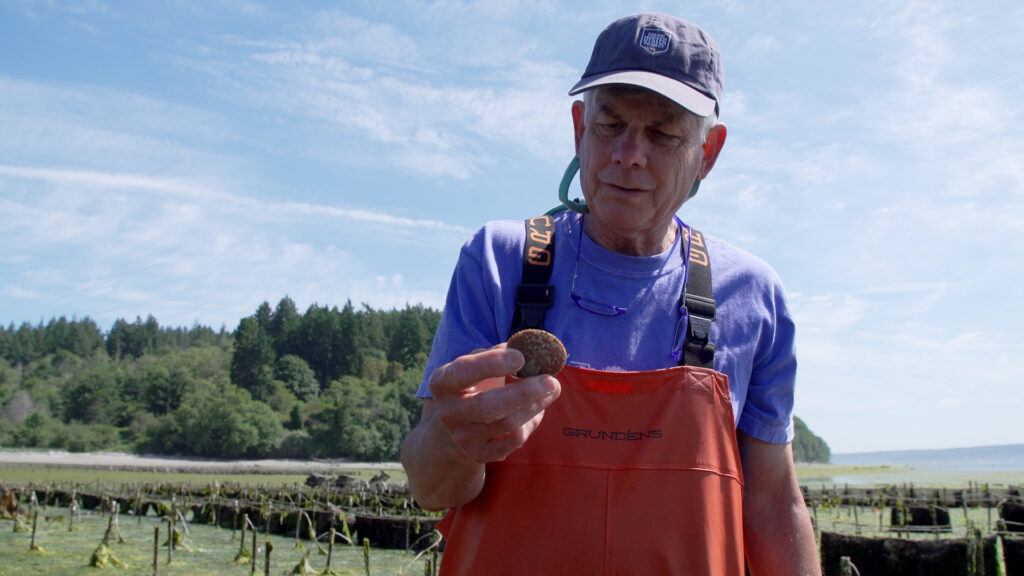
When invasive seaweed started choking Washington’s shellfish farms, UW researchers devised a groundbreaking solution: remove the seaweed and transform it into nutrient-rich soil for land-based agriculture. The project promised to turn an environmental headache into a sustainable win for farmers—until the USDA abruptly froze funding.
2. Hiking toward health: How Alex Eisen’s practicum combines data, community and the outdoors

What if your next hiking trip could help advance public health? For Alex Eisen, a Master of Public Health student in epidemiology at the University of Washington School of Public Health, this idea was at the heart of her practicum experience. Eisen collaborated with the Washington Trails Association and the Washington State Department of Health to develop tools that analyzed hiker-submitted trip reports for tick sightings and created valuable resources to understand and mitigate tick-borne disease risks.
3. Video: UW helps protect Washington’s workers through occupational health and safety research, training

Every day, hundreds of workers across Washington state are hurt on the job. Some lose their lives. Many of the industries that shaped the state — forestry, fishing, agriculture — are riddled with risk. The University of Washington has for years been instrumental in the state’s efforts to keep workers safe. But those efforts are now under threat. This year, the federal government has dramatically cut the programs that fund worker safety efforts like those at the UW.
4. UW-led study links wildfire smoke to increased odds of preterm birth

About 10% of American babies are born prematurely, leading to a cascade of health risks. In recent years, researchers have identified a potential link between wildfire smoke and preterm birth, but no study has been big or broad enough to draw definitive conclusions. A new study led by the University of Washington makes an important contribution, analyzing data from more than 20,000 births to find that pregnant people who are exposed to wildfire smoke are more likely to give birth prematurely.
5. Ali Shojaie shares how biostatistics is key to protecting human health
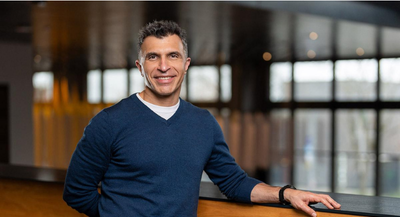
Biostatistics Professor Ali Shojaie has been a leader in developing biostatistical methods for helping us understand human health, from predicting the risk of cardiovascular disease, to understanding how dementia develops, to tracking how the environment impacts health. Through the use of statistics, machine learning and artificial intelligence, Shojaie collaborates with interdisciplinary teams to understand the body’s series of complex, interworking systems.
6. Legislation by Rep. Pollet and COPHP students prompts school lead remediation

Immediate lead mitigation and remediation plans are required after elevated levels were detected in drinking water at several schools in Edmonds School District thanks to a recent law authored by HSPop instructor and WA State Rep. Gerry Pollet, with help from his former MPH students.
7. After schools instituted universal free meals, fewer students had high blood pressure, UW study finds

As cuts to food assistance programs threaten to slash access to universal school meals, a new study led by the University of Washington finds a potential benefit to the programs: Students in participating schools were less likely to have high blood pressure, suggesting that universal free meals might be a powerful tool for improving public health.
8. How gymnastics and public health inspire student athletes to lead in their communities

Studying public health and being a University of Washington gymnast have a lot in common. Student athletes reflect on how gymnastics and their public health studies have complemented each other over four years, inspiring their self-discipline, ability to face adversity, and eagerness to improve their community.
9. Arianna Means shares why preventing childhood illnesses is imperative for global health
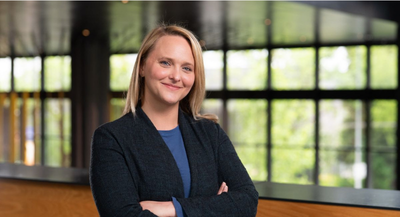
A large number of children around the world die every year from illnesses that are preventable. For Arianna Means, assistant professor of global health, those deaths are unacceptable. Means is an implementation scientist at the University of Washington School of Public Health, and her work is focused on getting those interventions to the right people in the right places.
10. Lessons in public health from a Seattle to Portland 12-hour public transit journey

In September, epidemiology assistant teaching professor Simon Sandh embarked on a journey from Seattle to Portland using only public transportation. Along the way he saw how these Washington and Oregon transit routes, especially in communities outside of large urban centers, are essential for connecting people to opportunity, health care, and each other.