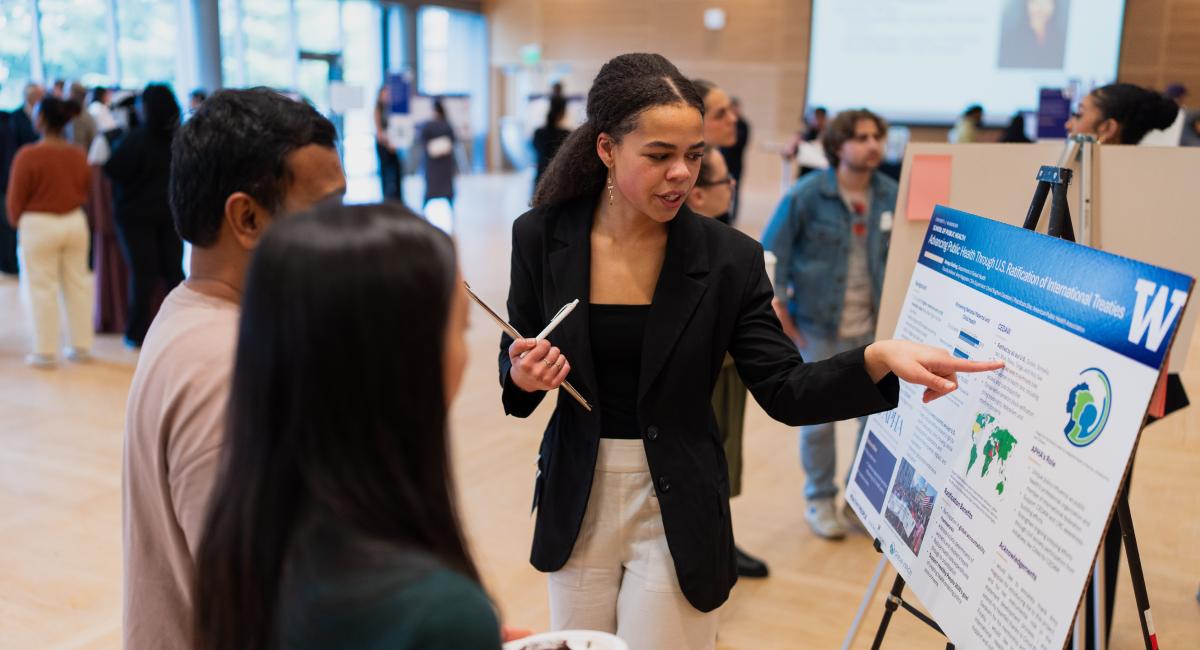
The 28th annual MPH Practicum Symposium & Reception was held on Wednesday, April 8th, 2026 from 3 PM – 5 PM in the HUB Ballroom. A virtual session was held on Tuesday, April 14th from 12 PM - 1:45 PM on Zoom.
The MPH Practicum is a field‑based experience where students collaborate with public health practitioners and leaders to address the greatest health challenges of our time!
Our Annual MPH Practicum Symposium & Reception brings together students, families, faculty, site supervisors, donors, and agency and academic leaders to celebrate MPH students’ community‑driven work, faculty mentorship, and partnership. This event creates a vital space to expand our network of champions, strengthen cross‑sector partnerships, and deepen understanding of public health practice among new and existing collaborators. It highlights the quality and diversity of our students’ practicum learning experiences while convening practitioners and organizations leading high‑impact work that shapes the future of our field.
Discover this year’s student-driven work below:

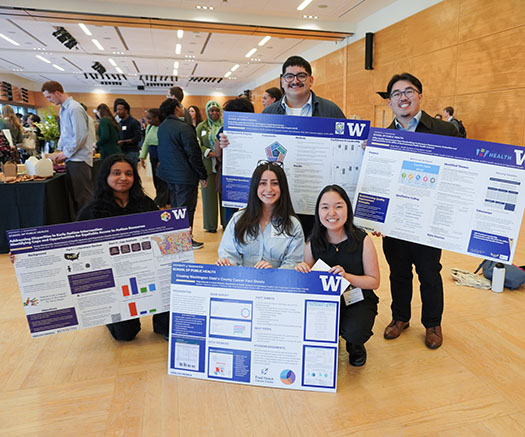
View Presenter, Site, and Project Information
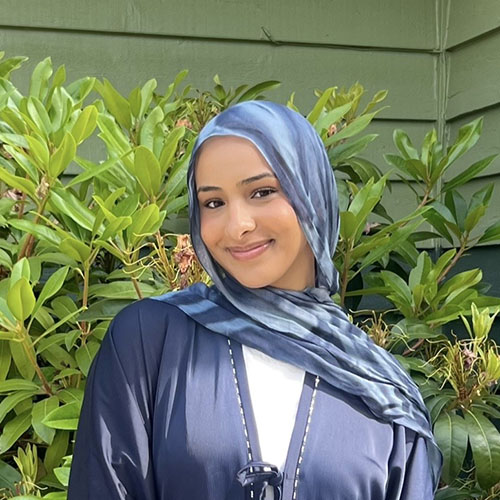
Retaj Elghanai
Systemic Harm and Ethical Response: Rethinking CPS in Maternal Healthcare
PRACTICUM SITE: F.I.R.S.T. Legal Clinic
SITE SUPERVISOR: Adam Ballout
DEPARTMENT: Epidemiology
FACULTY ADVISOR: Audrey Covner
I am a second-year MPH student in the Department of Epidemiology. My passions in public health include advancing health equity and advocating for low-income and vulnerable communities, with specific interests in infectious disease epidemiology and environmental health. I am also interested in working across professions to better support communities facing systemic barriers
For my practicum, I worked with the Family Intervention Response to Stop Trauma (F.I.R.S.T.) Legal Clinic to develop and coordinate an interprofessional educational symposium in collaboration with the UW Center for Health Sciences Interprofessional Education, Research, and Practice (IPE). This symposium focused on the importance of medical-legal partnerships and how health care providers and legal professionals can work together to support families, particularly mothers navigating substance use, by reducing stigma, preventing unnecessary Child Protective Services (CPS) involvement, and prioritizing family preservation.
PRACTICUM SITE: Seattle-King County Dental Society
SITE SUPERVISOR: Tarah Hedman
DEPARTMENT: Online MPH
FACULTY ADVISOR: Genya Shimkin
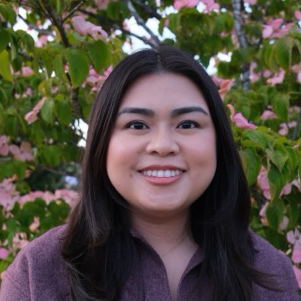
I am a second-year Health Systems and Population Health student pursuing my master's degree through the University of Washington's online MPH program, with a focus on maternal and child health. Currently, I work at Public Health Seattle-King County, where I support the Prenatal to Five programs.
I completed my practicum with the Seattle-King County Dental Society, where I developed a public service campaign aimed at raising awareness about perinatal oral health through digital media and education. We conducted research to identify existing knowledge gaps and misconceptions surrounding perinatal oral health among expectant mothers. I collaborated with a team of professionals, including dental experts and public health officials, to ensure the accuracy and relevance of our campaign materials (videos and infographics).
Rene Hawkes
Understanding the Impact of Bridges Alternative Peer Groups on the Teens and Families Participating in Bridges Alternative Peer Groups Northwest
PRACTICUM SITE: Bridges PNW Alternative Peer Groups
SITE SUPERVISOR: Ellyse Bracken
DEPARTMENT: Epidemiology
FACULTY ADVISOR: Alyson Littman
I am a second year MPH student in Epidemiology with a focus in Maternal and Child Health. For my practicum, I worked with Bridges Alternative Peer Groups (Bridges APG). The mission of Bridges Alternative Peer Groups (Bridges APG) is to “create a safe and sober space for teens to recover, and for teens and families to reimagine what is possible for their lives”. In alignment with their mission statement, Bridges provides experiences during key times (after school, during school holidays, and summer break) to offer teens in recovery a space to build connection with each other and build community. Peer support workers engage with the teens, providing a model of success and serving as mentors whose lived experiences facilitate building trust and relationships. Because Bridges sustainability relies heavily on grant and donor funding, the goal of my practicum was to collect and analyze data from the teens and parents participating in Bridges to assess and understand the impact of participating in Bridges programming. The impact of this practicum for Bridges APG is a comprehensive report that details the impact of participation in the Bridges APG from the teen and parent perspectives. This report can then be used by the Bridges team to meet funder requirements and to tell a compelling story when applying for future grants and funding, with the long-term goal of expanding the program to reach more teens and families.
Allegra Johnson
Supporting Recovery and Family Communication for Patients with Mild Traumatic Brain Injury
PRACTICUM SITE: Pagulayan Research Group, UW Division of Rehabilitation Psychology & Neuropsychology
SITE SUPERVISOR: Kathleen Pagulayan
DEPARTMENT: Epidemiology
FACULTY ADVISOR: Daniel Enquobahrie
I am a second-year MPH student in the Department of Epidemiology, focusing on maternal and child health. During my practicum, I have been involved in working with and providing resources for adults recovering from a mild traumatic brain injury (mTBI). My interest in this work arises from the understanding that maternal and child health includes family health, and that mTBIs can affect both patients and their families. My goal has been to support patients in communicating with their families and loved ones about their symptoms and recovery. My project focuses on two main areas: designing a psychoeducation booster session and developing a neuropsychological administration guide. I created a session guide for clinicians to support patients with mTBI and emphasize strategies for family communication. Additionally, I developed a written guide for neuropsychological assessments to support future trainees and clinicians. These deliverables aim to provide patients and staff with information and resources, enhance family support, and promote recovery and well-being.

Luciana Lenth
Creating Virtual Clinical Toolkit for Trauma Informed Care for Perinatal Substance User Disorder Patients
PRACTICUM SITE: UW Medicine
SITE SUPERVISOR: Ying Zhang
DEPARTMENT: Epidemiology
FACULTY ADVISOR: Daniel Enquobahrie
I am a second year MPH student in the Department of Epidemiology, Maternal and Children's Health track with interests in the medicalization of childbirth, integration of doulas and midwives into industrial medical settings, and mass incarceration as a social determinant of maternal health. My Practicum was with UW Medicine working to create the Trauma Informed Perinatal Substance Use Disorder tile for OCCAM, UW Medicine's virtual clinicians' resource. The OCCAM Resource is a collaborative project between UW Medicine and the University of Washington Health Science Library to centralize and increase the accessability of Harborview Medical Center (HMC) and UW Medical Center’s (UWMC) clinical guidelines, protocols, and evidence-based algorithms. OCCAM houses medical content by “tiles” in order to curate and streamline information retrieval and tailor treatment recommendations for medical conditions. I worked with the MCH healthcare workers and clinicians to develop materials for the Perinatal SUD tile to improve its usability, accessibility, and provide the most up-to-date content for clinicians. Following feedback from MCH healthcare workers, I edited content I had created to better fit the clinical setting and prioritized content specific to patient needs such as TIC-informed procedures related to pelvic exams, prenatal care, postpartum care, and IPV screening.
Emma Manley
Prevalence, timing, and trends of trauma among patients with prenatal alcohol exposure
PRACTICUM SITE: Fetal Alcohol Syndrome Diagnostic & Prevention NetworI
SITE SUPERVISOR: Susan Hemingway
DEPARTMENT: Epidemiology
FACULTY ADVISOR: Daniel Enquobahrie
The Fetal Alcohol Syndrome Diagnostic & Prevention Network (FASDPN) aims to give families a better understanding of the help their child needs. Most families come in need of this diagnosis to start helping their child in all aspects of their life. This network gives medical, psychological, economic, social, and educational resources to these families from all around Washington State. The project has two goals: (1) To assess the prevalence, timing, and trends of trauma in the FASDPN population, a. (2) To understand the impacts of WA State House Bill 2008 on the eligibility of children with Fetal Alcohol Syndrome (FASD) for intervention programs and services. The project will involve analyzing, interpreting, and summarizing FASDPN health data, primarily trauma, to help the site create community-based public health
intervention strategies. The project will also describe how these data can be used to address scientific, political, ethical, or public health problems the FASD population is facing, which is needed for FASDPN to continue their Work

Margaret Nickel
Perceptions of Quality of Maternal Health Care from the Patient and Provider Perspective
PRACTICUM SITE: Sinergias ONG
SITE SUPERVISOR: Pablo Montoya
DEPARTMENT: Global Health
FACULTY ADVISOR: Steve Gloyd
I am a second-year MPH student in the Department of Global Health, interested in Maternal and Child health topics, and project monitoring and evaluation. For my practicum project, I traveled to Colombia as a recipient of the Thomas Francis, Jr. Global Health Fellowship to work with Sinergias ONG. Sinergias is a non-government organization based in Bogota, Colombia, aiming to improve health care accessibility and quality in rural and indigenous settings within the Vaupes and Cauca regions of Colombia. For this practicum project, I aided Sinergias as they wrapped up data collection and performed data analysis for a monitoring and evaluation project at the Patia Municipality Hospital in the Cauca department of Colombia. My practicum activities included designing a Power BI dashboard to display key quantitative prenatal care indicators for the municipality’s use, in addition to designing and analyzing qualitative interviews to determine program acceptability for both patients and providers.
PRACTICUM SITE: Program for Early Parenting Support - PEPS
SITE SUPERVISOR: Swarnima Aswinkumar
DEPARTMENT: Health Systems and Population Health
FACULTY ADVISOR: Clarence Spigner
I am a Master of Public Health student in the Health Systems and Population Health department, completing my practicum with the Program for Early Parent Support (PEPS). My project, “Culturally Responsive Program Development for Immigrant Caregivers of Teens,” focuses on enhancing the inclusivity of PEPS’s Parents of Adolescents and Teens (PAT) program. Through literature reviews, demographic analysis, and curriculum evaluation, I aim to identify barriers experienced by immigrant and international parents raising teens in the U.S. and propose culturally grounded adaptations to improve program relevance. This work aligns with PEPS’s ongoing commitment to racial equity and community engagement, contributing to the design of an Affinity Program that fosters meaningful peer connections and culturally responsive parenting support across King, Snohomish, and Pierce Counties.

Pallabi Shrestha
Developing mental health interventions to address the impact of climate change on adolescences’ mental health in Nepal
PRACTICUM SITE: Transcultural Psychosocial Organization (TPO) Nepal
SITE SUPERVISOR: Kamal Gautam
DEPARTMENT: Global Health
FACULTY ADVISOR: Steve Glyod
My practicum project was based in Nepal, where I worked with a non-profit organization called Transcultural Psycosocial Organization (TPO). This organization is a leading NGO in promoting the psychosocial well-being and mental health of children and families in Nepal. My project was focused on developing a mental health intervention to address the impact of climate-induced hazards on adolescents. I worked mostly on the second aim of the project, intervention development, where we conducted interviews with adolescents who were directly exposed to these hazards to learn about their experiences, and also conducted workshops to brainstorm possible interventions and barriers. We also worked with psychosocial counselors and other stakeholders, such as parents, to better understand how to provide support to these adolescents. I also developed information, educational, and communication materials from the findings as part of my deliverables.

PRACTICUM SITE: University of Washington Department of Family Medicine; WWAMI Region Practice-Based Research Network
SITE SUPERVISOR: Kris Ma
DEPARTMENT: Health Systems and Population Health
FACULTY ADVISOR: Molly Firth
I am a second-year MPH student in the Department of Health Systems and Population Health. For my practicum, I contributed to a research project at the University of Washington focused on developing a consensus-based, prioritized research agenda for maternal health in primary care. The project centered on gathering perspectives from key informants, including primary care researchers, clinicians, administrators, and patient advocacy representatives. My practicum focused on qualitative analysis of 16 in-depth interviews with key stakeholders to identify research priorities and emerging challenges in maternal health within primary care. This work informed the development of tailored recommendations reports for three key audiences: health system administrators, funders, and state policymakers, as well as a community-facing one-pager designed to ensure findings were accessible and meaningful. These deliverables support stakeholder-informed maternal health research and primary care decision-making.
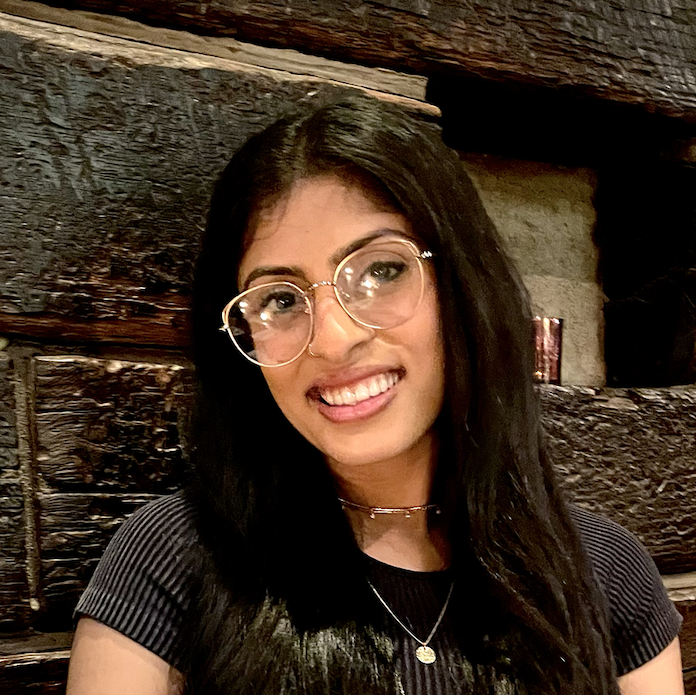
PRACTICUM SITE: Washington State Department of Health
SITE SUPERVISOR: Martha Skiles
DEPARTMENT: Epidemiology
FACULTY ADVISOR: Daniel Enquobahrie
I am a second-year MPH student in the Department of Epidemiology with a focus on maternal and child health. For my practicum, I worked with the Washington State Department of Health’s Office of Family and Community Health Improvement to address severe maternal morbidity (SMM) and related disparities across Washington State. My project involved developing a conceptual model for targeted SMM interventions using the Socio-Ecological Model and Life-Course Approach. Through epidemiologic analysis, literature review, and stakeholder input, I identified key risk and protective factors contributing to SMM. I presented my findings and conceptual model to the Washington State Perinatal Collaborative to help guide future maternal health programs, policies, and research efforts aimed at reducing inequities and improving outcomes for birthing people statewide.

Maggie Venberg
Empowering Immigrant Parents of Teens: Curriculum Development for Social Emotional Learning and Rights and Advocacy in Education and Healthcare Systems
PRACTICUM SITE: PEPS
SITE SUPERVISOR: Swarnima Aswinkumar
DEPARTMENT: Global Health
FACULTY ADVISOR: Alyson Littman
My name is Maggie Venberg, and I am a second-year MPH student in Global Health. My research and implementation interests are primarily in child, adolescent, and parental health, and I completed my practicum with the PEPS organization in the greater Seattle area. PEPS was interested in expanding their Parents of Adolescents and Teens (PAT) Program to include an affinity group for international parents of teens. I completed a literature and web review, as well as a review of previous session topic guides, to create two new topic guides for this program expansion. The topic guides focused on social-emotional learning taught in WA public schools as well as information on rights and advocacy in schools, healthcare, and other public systems. The goal of these topic guides is to inform while focusing on shared knowledge to foster community building.
PRACTICUM SITE: University of Washington Farm
SITE SUPERVISOR: Perry Acworth
DEPARTMENT: Environmental and Occupational Health Sciences
FACULTY ADVISOR: Yona Sipos
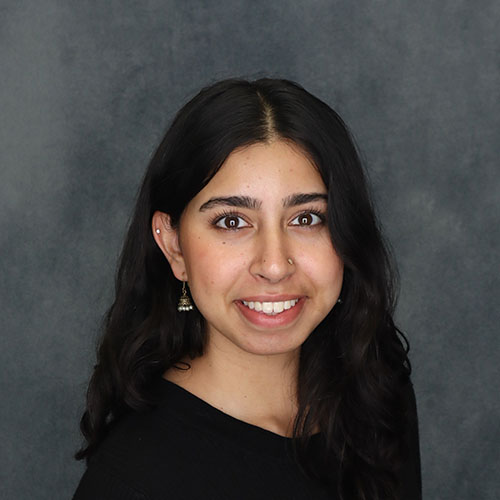
As a second-year MPH student in Environmental Health Sciences with a passion for agroecology and environmental justice, I chose to complete my practicum with the UW Farm. In this internship, I helped bridge the gap between receiving produce and knowing how to prepare a nutritious meal, i.e. food literacy. I wrote "The Weekly Recipe" and "Nutrition Spotlight" sections for 12 editions of the UW Farm publication; the former included recipes that were culturally relevant and diverse, prioritized using UW Food Pantry staples, utilized minimal and accessible cookware, and prioritized seasonal items; the latter section expanded on a seasonal crop in the recipe to provide accessible science and nutrition information, traditional medicinal preparation and meaning, and any environmental contamination/growing condition concerns. This practicum illuminated the extent of food illiteracy in urban settings, shaped by the invisibility of food production and the disconnect between raw produce and prepared meals.
Amanda Debuo Der
Evaluating Innovations in Medication Abortion Services Through Qualitative Research to Document and Disseminate Best Practices for Efficient Adoption in the United States
PRACTICUM SITE: Department of Family Medicine/University of Washington
SITE SUPERVISOR: Anna Fiastro
DEPARTMENT: Global Health
FACULTY ADVISOR: Sarah Munro
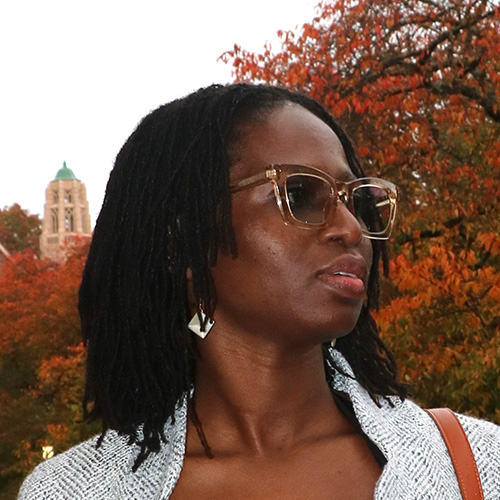
I am a second-year MPH-Global Health candidate passionate about improving access to sexual and reproductive healthcare, including abortion care, contraception, and cervical cancer prevention, particularly in low-resource and restrictive settings. For my practicum, I worked with the Access, Delivered Research Initiative, and Women’s Health Research and Scholarship Lab, Department of Family Medicine/University of Washington. My project focused on evaluating innovations in medication abortion delivery and documenting patient experiences of traveling out of state for abortion care in the post-Dobbs context. Practicum activities included conducting a comprehensive literature review, analyzing qualitative interviews using Dedoose, and developing dissemination materials such as analysis memo, presentations for clinicians, community partners and researchers, and a conference abstract submitted to the National Abortion Federation. This experience strengthened my skills in qualitative research, health communication, and policy translation while deepening my commitment to advancing reproductive health equity globally.
Marion Fischer
Summarizing resources and identifying gaps for avian influenza prevention, health education, and mitigation in Washington
PRACTICUM SITE: WA Department of Health
SITE SUPERVISOR: Hann Oltean
DEPARTMENT: Epidemiology
FACULTY ADVISOR: Janet Baseman
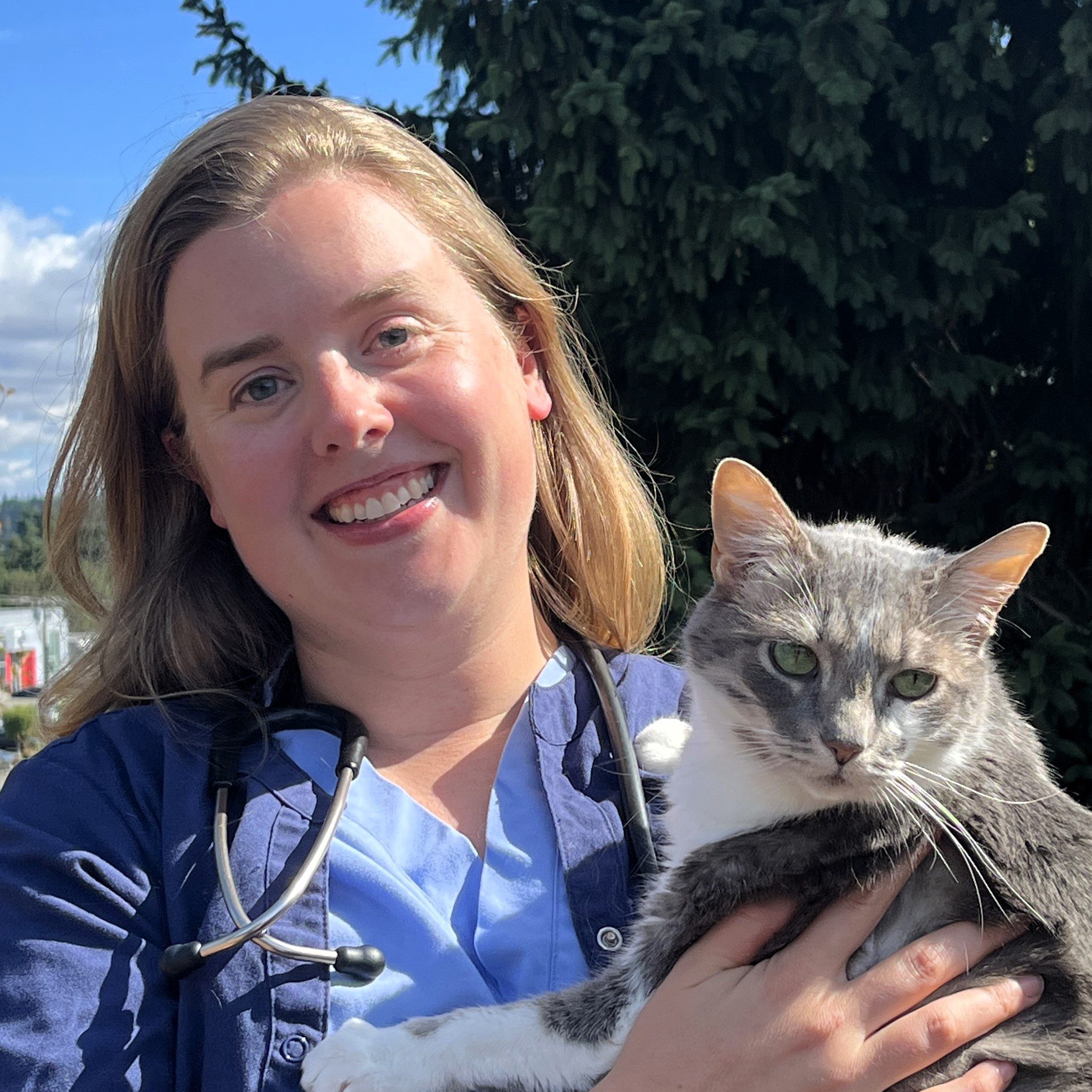
I am interested in zoonotic diseases and the intersections between human, animal, and environmental health. For my practicum, I worked with the Zoonotic and Vector-Borne Diseases team at the Washington State Department of Health. I analyzed available resources related to the current highly-pathogenic avian influenza (HPAI) panzootic outbreak, focusing on methods and publications to communicate with people at risk of occupational exposure to HPAI. I then identified gaps in these resources, and summarized my findings. This work will be used as a foundation for additional communications materials to be developed by DOH related to HPAI.
Ricardo Moreno Garcia
Supporting various activities of Guanajuatenses en Washington, including mental health and Health disparities surveys and podcasts among the Hispanic population in King and Snohomish counties
PRACTICUM SITE: Guanajuatenses en Washington
SITE SUPERVISOR: Guadalupe Zamora
DEPARTMENT: Global Health
FACULTY ADVISOR: Steve Gloyd
My practicum focused on health disparities and mental health in the Hispanic community. l helped out collecting information to conduct a needs assessment through note-taking on talking circles around community members, implemented and analyzed data from qualitative and quantitative surveys, and worked and distributed information through a podcast.

Ashlyn Gonzalez-Soriano
Building Capacity for Economic and Public Health Resilience: A Business and Marketing Plan for LETI’s Vocational School
PRACTICUM SITE: Latino Educational Training Institute
SITE SUPERVISOR: Claudia Salas
DEPARTMENT: Environmental and Occupational Health Sciences
FACULTY ADVISOR: Maria T. Blancas
I am a second-year Master of Public Health student in Environmental Health Sciences and an Office of the Dean Fellow in the School of Public Health. As a first-generation student, I am deeply committed to advancing equitable, community-driven approaches that center lived experience in public health decision-making. My work focuses on environmental justice, climate resilience, and community-engaged research.
For my practicum, I partnered with the Latino Educational Training Institute (LETI) to support the growth and long-term sustainability of its Vocational School, which provides bilingual workforce training for Latino, immigrant, and injured workers. My project included developing a business and marketing plan, conducting competitor analysis, and creating recruitment materials to expand program reach. Through this experience, I applied public health principles related to social determinants of health by promoting economic stability and workforce opportunities in marginalized communities.
Indiah Jackson
Developing Evaluation Strategies to Improve Pediatric Readiness in Community Emergency Departments
PRACTICUM SITE: Seattle Children's' Hospital
SITE SUPERVISOR: Danielle Zerr
DEPARTMENT: Epidemiology
FACULTY ADVISOR: Steve Hawes
I am a second year MPH student in the Epidemiology Department with a passion for serving vulnerable populations impacted by chronic and infectious illnesses. For my practicum, I worked with Seattle Children's Community Pediatric Readiness Program (SCCPR) to develop measurement tools and strategies aimed at improving pediatric readiness in community emergency departments. Pediatric Readiness evaluates an emergency department's ability to care for ill and injured children. My responsibilities included conducting a literature review to identify strategies other Community Pediatric Readiness Programs use to measure their success, interviewing SCCPR teams members to address gaps in the current measurement approach, and creating an evaluation plan to help the team assess and strengthen community emergency departments' preparedness in caring for pediatric patients which will ultimately lead to improved health outcomes.

PRACTICUM SITE: UW School of Medicine - Department of Family Medicine
SITE SUPERVISOR: Emily Godfrey
DEPARTMENT: Edipemiology
FACULTY ADVISOR: Stephen Schwartz
I am a second-year MPH student in the Epidemiology department with research interests centered on cancer health equity and diet-related health outcomes. My practicum was with the UW Department of Family Medicine’s Lifestyle Medicine program, which aims to empower patients and communities through education on lifestyle behaviors to address disparities in health outcomes. For my practicum, I am exploring how lifestyle medicine, a growing, holistic model of care, can better prepare medical students and early-career clinicians to address the six pillars of health in ways that are realistic, equitable, and community-centered.
For this project, I am conducting interviews with UW School of Medicine faculty to understand how lifestyle medicine pillars are currently taught and where gaps emerge once clinicians enter practice. Through this qualitative analysis, I will highlight the lived experiences across contexts and generate recommendations that identify both gaps and opportunities for implementation. This project also supports public health program monitoring and evaluation efforts, with the ultimate goal of strengthening prevention-focused education and promoting equitable patient care.
Salome Marimbet
Mental Health Needs and Access to Care Among West African Immigrants in Washington
PRACTICUM SITE: Washington West Africa Center(WAWAC)
SITE SUPERVISOR: PA Ousman Joof
DEPARTMENT: Global Health
FACULTY ADVISOR: Rabi Yunusa
I am a second-year MPH student in global health with a focus on mental health equity among immigrant communities. I completed my practicum at the Washington West Africa Center (WAWAC), where I conducted a critical review of the 2024 Mental Health Study focusing on West African immigrants in Washington State. The project included analysis of qualitative interviews, staff surveys, and organizational materials to identify gaps in mental health literacy, stigma, and access to culturally responsive services. Findings were translated into actionable, culturally grounded recommendations to support program planning, outreach, and advocacy. This work highlights the importance of community-based, culturally informed approaches to improving mental health access and reducing disparities among immigrant populations.
Faraja Yusto Mgaya
Improving Maternal and Neonatal Health through Sustainable Mobilization of Clean Birth Kits with Misoprostol in Pwani Region, Tanzania.
PRACTICUM SITE: Health Tanzania Organization and SEET (Socio-Economic Education Transformation for Health)
SITE SUPERVISOR: Henry Ziegler
DEPARTMENT: Global Health
FACULTY ADVISOR: Ferdinand Mukumbang
I am a second-year MPH student in the Department of Global Health and a trained medical doctor from Tanzania. My practicum with the Health Tanzania Foundation and SEET focuses on improving maternal and neonatal health in the rural Pwani Region through the sustainable mobilization of disposable clean birth kits with misoprostol. This project addresses inequities in access to essential delivery supplies that contribute to preventable maternal and newborn deaths in low-resource settings. As part of my practicum, I conducted a comprehensive literature review, designed a community mobilization strategy, and developed a grant proposal to support program sustainability. My practicum strengthens evidence-based approaches to maternal health, promotes community-driven interventions, and supports the integration of sustainable solutions within Tanzania’s health system to reduce postpartum hemorrhage and delivery-related infections for both mothers and newborns.
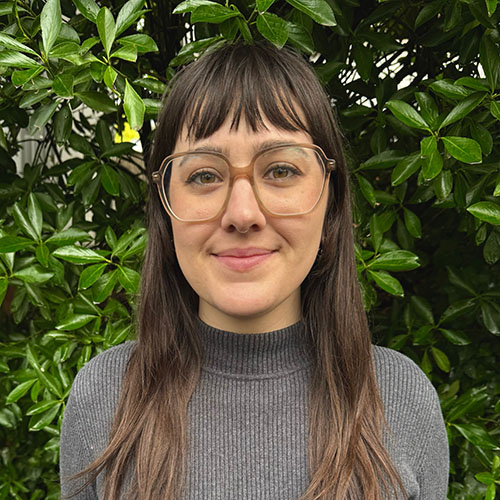
Chelsea Rodgers
Evaluation and Visualization of Healthy Youth Survey Results on Unhealthy Weight Control Behaviors and Body Shaming in Washington State
PRACTICUM SITE: WA Department of Health / Center for Epidemiology Practice, Equity, and Assessment
SITE SUPERVISOR: Megan Suter
DEPARTMENT: Epidemiology
FACULTY ADVISOR: Cristen Harris
I am a second-year MPH student in the Epidemiology program with a focus on public health communication and applied Epidemiology. For my project, I worked with the WA State Department of Health to create audience-tailored communications and translate newly collected data from the Healthy Youth Survey (HYS) on unhealthy weight control behaviors (UWCB) in WA state youth. The HYS is a state-wide survey for youth in Washington State, designed to identify and monitor health concerns and behaviors, including UWCB, body and food shaming. I translated this data into user friendly visuals using R and developed communications to be used as a template for reporting future results from subsequent surveys. Additionally, I consulted with subject matter experts to establish priority areas of concern for UWCB in WA state youth to be highlighted in our communications and advocated for the continued monitoring of UWCB in WA state.
PRACTICUM SITE: Public Health - Seattle & King County
SITE SUPERVISOR: Mariel Torres Mehdipour
DEPARTMENT: Health Systems and Population Health
FACULTY ADVISOR: Molly Firth
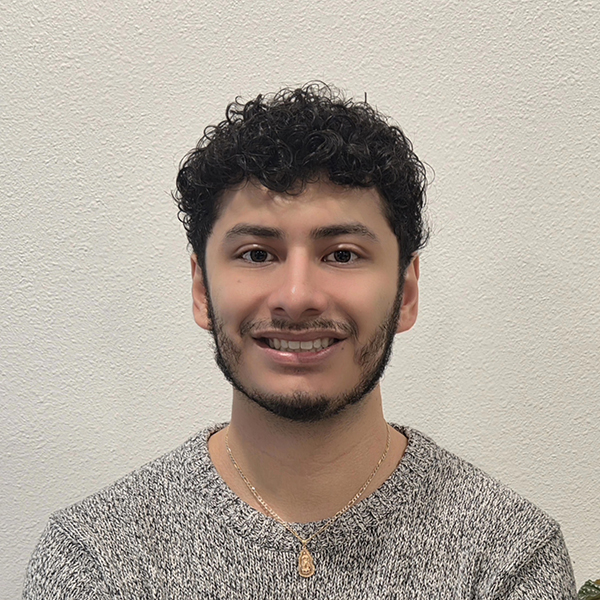
Con Confianza y en Comunidad was founded during the height of the Pandemic in 2020. This project was co-created out of a group of Latinx members in Public Health-Seattle & King County and community leaders that provided a trusted space to share real and reliable information. The informational sessions were done in Spanish to support Latinx and Spanish speaking communities in King County. Since then, Con Confianza y en Comunidad has continued to provide vital information about current events while hosting guest speakers on their digital platforms.
Noticing a gap in their interactions with Latinx youth and young adults and wanting to continue to be leaders of reliable health information, Con Confianza y en Comunidad sought to learn how Latinx youth and young adults find information and which online sources they engaged with to seek health information. The first phase involved an online survey, which resulted in data they sought to continue to understand.
The second phase of their project was where my practicum took place. I was tasked to conduct a literature review on the relationship between trusted messengers for Latinx youth and young adults when searching for health information online. Additionally, they tasked me to co-create with their team a conversational guide that will be used when Con Confianza y en Comunidad conducts 1-on-1 interviews with Latinx youth and young adults in the third phase of the project.

Kelsey Viglietta
Improving Cardiac Care in Down Syndrome: Fact Sheets for Early Intervention & Lifelong Management
PRACTICUM SITE: Washington Department of Health
SITE SUPERVISOR: Nirupama Nini Shridhar
DEPARTMENT: Public Health Genetics
FACULTY ADVISOR: Elizabeth Blue
I am a second-year MPH candidate in the Public Health Genetics program. My interests lie at the intersection of disability advocacy and genomics. During my practicum in late summer 2025, I worked with Dr. Nini Shridhar at the Washington Department of Health, Genetics Division. Throughout the practicum, we collaborated to develop two fact sheets, one for patients and their families and the other for providers. These fact sheets provide information on the comorbidity between Trisomy 21 (Down syndrome) and congenital heart disease, addressing potential knowledge gaps for these groups. The overall goal of the project was to improve outcomes for children with Down syndrome and congenital heart disease by raising awareness of the overlap between the two conditions and its implications for future medical care.
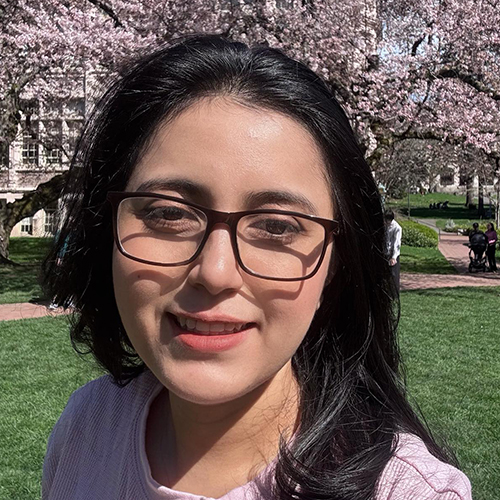
Htet Htet Aung
The Impact of Behavioral Interventions on Condom Use in Sub-Saharan Africa.
PRACTICUM SITE: Institute for Health Metrics and Evaluation
SITE SUPERVISOR: Megan Verma
DEPARTMENT: Epidemiology
FACULTY ADVISOR: Hmwe Hmwe Kyu
I'm a second-year MPH Epidemiology student. My practicum project focuses on synthesizing existing evidence and analyzing national survey data to better understand how behavioral interventions, particularly condom promotion strategies, influence condom use in Malawi, Zimbabwe, and South Africa. Through this work, I have strengthened my skills in systematic review and data analysis. This experience has also deepened my understanding of behavioral interventions in different contexts and reinforced my commitment to advancing evidence-based strategies in public health.
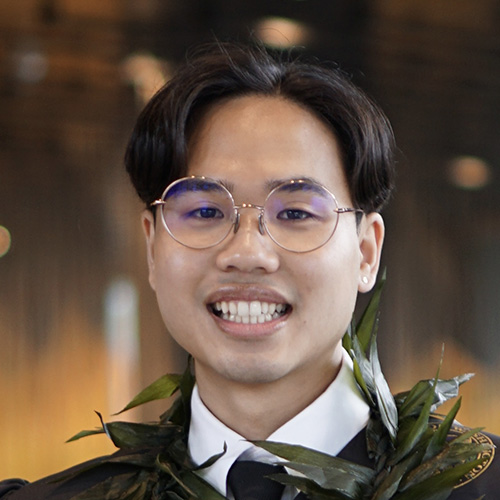
Gabe Eligado
Enhancing Antimicrobial Stewardship Programs in Washington State through Assessing Practices in Skilled Nursing Facilities and Antimicrobial Susceptibility in Hospitals
PRACTICUM SITE: Washington State Department of Health
SITE SUPERVISOR: Kelly Kauber and Katarina Kamenar
DEPARTMENT: Epidemiology
FACULTY ADVISOR: Janet Baseman
I am a second-year MPH in the Department of Epidemiology. For my practicum, I worked with the Healthcare-Associated Infections and Antimicrobial Resistance section at the Washington State Department Health to support state efforts in antimicrobial stewardship (AMS).
The first component of my project focused on assessing the prevalence of stewardship practices in skilled nursing facilities in Washington state by managing and administering an online survey through REDCap. Findings evaluated program impacts, identified current gaps in stewardship practices, and will be used to tailor curriculum and support.
The second component of my project focused on building an interactive PowerBI dashboard using data from the CDC's National Healthcare Safety Network to display antibiograms for acute care facilities and critical access hospitals. This dashboard will inform clinical decision-making in antibiotic prescribing.
Together, both components enhance AMS practices, inform clinical decisions, and support the judicious use of antimicrobials.

PRACTICUM SITE: Washington State Department of Health, BRFSS Team
SITE SUPERVISOR: Graham Crawbuck & Rachelle Martin
DEPARTMENT: Epidemiology
FACULTY ADVISOR: Sara Lindstroem
I am a second-year MPH student in the Epidemiology program. For my practicum, I partnered with the BRFSS (Behavioral Health Factor Surveillance System) team at the Washington State Department of Health to create tools to support the survey revision process. I enhanced the BRFSS master question list into an interactive dashboard designed to support stakeholder decision-making by visualizing trends in survey modules, co-occurrence of modules across survey years, question types, and module-specific question use in Washington over the past fifteen years. I also developed a standardized documentation template to systematically capture committee discussions, decisions, and decision-making rationales across the survey revision cycle. Additionally, I analyzed question wording changes within the cognitive impairment module and shared findings with program staff to inform their work. Overall, my practicum helped to strengthen core epidemiological skills while also providing me with valuable insight into the complex behind-the-scenes processes that go into shaping the WA BRFSS survey. My deliverables will be maintained and used during future survey revision cycles to support the BRFSS team and stakeholders.

Hemen Khanna
Identifying Risk Factors for Individuals Diagnosed with Multiple Instances of Enteric Illnesses
PRACTICUM SITE: Washington State Department of Health
SITE SUPERVISOR: Laurie Stewart
DEPARTMENT: Epidemiology
FACULTY ADVISOR: Janet Baseman
I am a second year MPH student in the Department of Epidemiology with an interest in infectious disease epidemiology. For my practicum project, I worked with the Washington State Department of Health Foodborne and Enteric Disease team to identify risk factors associated with diagnoses of multiple enteric infections in Washington State between 2018 and 2024. I performed an analysis using R to identify factors that are associated with Washington residents being diagnosed with more than one reportable enteric infection, including salmonellosis, cryptosporidiosis, cyclosporiasis, campylobacteriosis, giardiasis, listeriosis, vibriosis, shigellosis, Shiga Toxin Producing E. Coli (STEC) infection, and Typhoid Fever. Additionally, I also worked to identify discrepancies and inefficiencies reported with disease reporting in WDRS and identify social and structural inequities associated with diagnoses of multiple enteric illnesses.
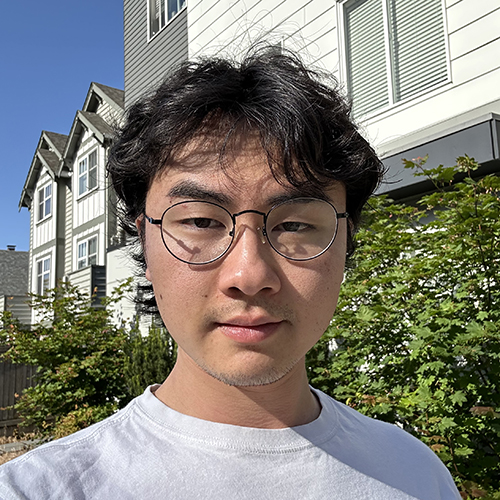
Raymond Lam
Developing an Outbreak Model using Time-Space Analysis to Detect Clusters of Syphilis in Washington State
PRACTICUM SITE: Washington State Department of Health
SITE SUPERVISOR: Steven Erly
DEPARTMENT: Epidemiology
FACULTY ADVISOR: Steven Erly and Nicole Adams
I am a second-year MPH student in Epidemiology at the University of Washington with interests in infectious disease surveillance and outbreak modeling. During my practicum with the Washington State Department of Health’s Office of Infectious Diseases, I worked on improving surveillance and early detection of syphilis outbreaks across Washington State. Using SaTScan and R, I developed and evaluated an outbreak model to detect syphilis clusters and examined how adjusting model parameters could improve early cluster detection. I also analyzed how factors such as housing instability, access to care, and other social determinants of health may influence syphilis transmission, helping to guide more equitable public health responses. This experience strengthened my skills in epidemiologic surveillance and spatial analysis and contributed to the Department of Health’s efforts to monitor syphilis transmission among pregnancy-capable individuals and those with HIV coinfections, supporting data-informed interventions to reduce STI-related disparities across Washington.
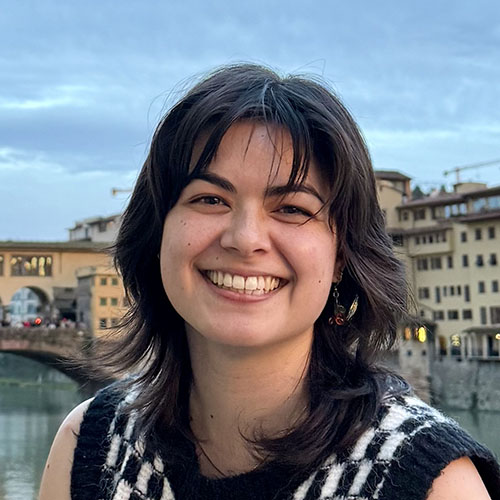
Gabby Mascarinas
Bridging the Gap Between Epidemiology and Laboratory Sciences for the WA DOH's Wastewater-Based Epidemiology Program
PRACTICUM SITE: WA DOH Office of Communicable Disease Epidemiology
SITE SUPERVISOR: Bradie Ahern
DEPARTMENT: Epidemiology
FACULTY ADVISOR: Julianne Meisner
I am a second-year MPH student in the Department of Epidemiology with a background in environmental laboratory sciences and an interest in outbreak investigation and public health practice. For my practicum, I collaborated with the Washington State Department of Health’s Wastewater-Based Epidemiology (WAWBE) program, which coordinates wastewater testing to monitor infectious disease pathogens in Washington state. During this project, I conducted a narrative literature search of wastewater-based laboratory methods that detect emerging fungal pathogen Candidozyma aurus, then assessed the feasibility of integrating these methods into the WAWBE program. I also designed and implemented a sample tracking dashboard to help bridge the information gap between the time of sample collection, laboratory processing, and result submission. This work improved operational efficiency and data quality by streamlining coordination across epidemiologists, laboratorians, courier services, and wastewater treatment facility partners.
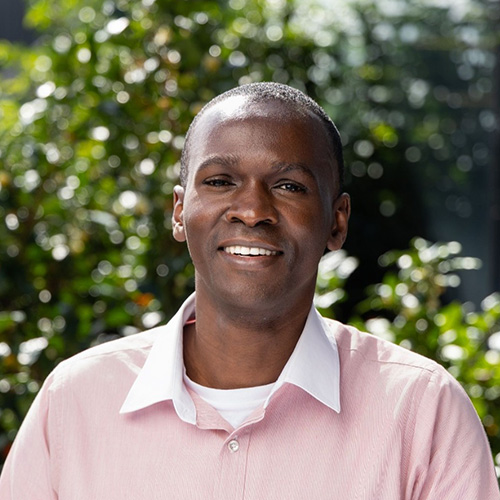
PRACTICUM SITE: UW START Center/Gates Foundation
SITE SUPERVISOR: Ferdinand Mukumbang
DEPARTMENT: Global Health
FACULTY ADVISOR: Stephen Hawes
I am am MPH candidate in the Department of Global Health at the University of Washington School of Public Health. I am a global health professional with over 15 years of experience leading large-scale HIV research and implementation programs across clinical and public health settings in Kenya. For this practicum at the UW Strategic Analysis, Research & Training (START) Center in collaboration with the Gates Foundation, I led a project on identifying opportunities for artificial intelligence (AI) in infectious disease surveillance. My work mapped AI applications across the surveillance lifecycle, including data collection, integration, analysis, and response, with a focus on scalable, disease-agnostic solutions for low- and middle-income countries. I am passionate about strengthening data-driven, resilient health systems to improve early detection and response to infectious disease threats.
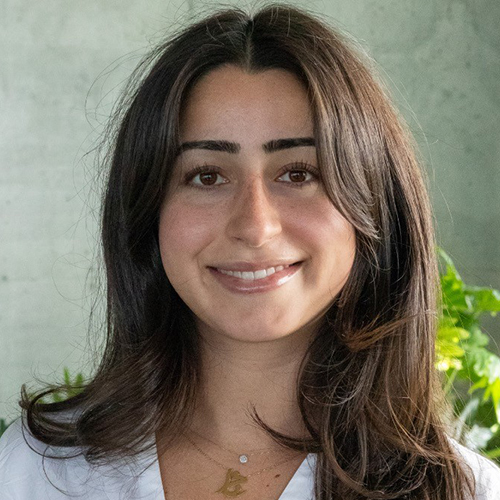
PRACTICUM SITE: Fred Hutchinson Cancer Research Center
SITE SUPERVISOR: Carrie Nass
DEPARTMENT: Health Systems and Population Health
FACULTY ADVISOR: Clarence Spigner
I graduated with my Bachelor of Science in Public Health-Global Health and Interdisciplinary Honors from the University of Washington in 2024 and am now pursuing my master’s in public health with a concentration in Health Systems and Population Health. For my practicum, I worked with Fred Hutchinson Cancer Research Institute to create county specific cancer fact sheets for all counties in Washington State. I compiled and interpreted all-stage incidence, late-stage incidence, mortality, and demographic data for each county in Washington State as well as Washington State’s overall data and inputted the data into individual data sheets. The fact sheets aim to create more accessible and understandable cancer data for Fred Hutch faculty as well as community partners and stakeholders.
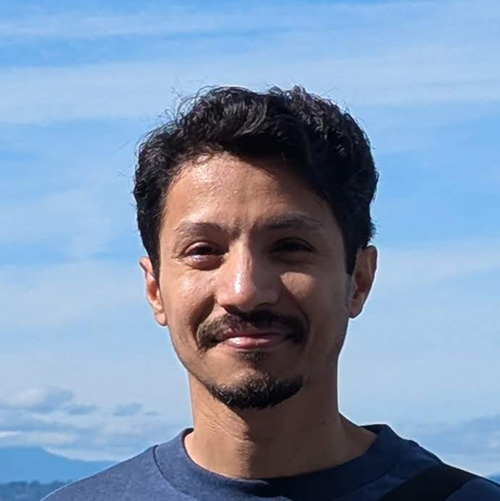
Biplav Shrestha
Nowcasting and short-term forecasting of respiratory viruses using EpiNow2 in King County, WA
PRACTICUM SITE: Analytics and Informatics branch, Public Health Seattle and King County
SITE SUPERVISOR: Tigran Avoundjian
DEPARTMENT: Epidemiology
FACULTY ADVISOR: Julianne Meisner
Hi, my name is Biplav, and I am a second-year MPH student in epidemiology. Before joining UW, I worked as a medical doctor in a rural part of Nepal. For my practicum, I worked with the Analytics and Informatics branch of Public Health Seattle and King County (PHSKC) to implement the EpiNow2 package in R for forecasting respiratory diseases in King County, WA. I wrote a protocol for forecasting COVID, influenza and RSV in King County using EpiNow2, and produced R scripts detailing the steps necessary to create the forecasts. During the practicum, I learned about infectious disease modeling, which was a new field to me. I was also able to demonstrate the utility of statistical models like EpiNow2 in predicting respiratory infections using surveillance data.
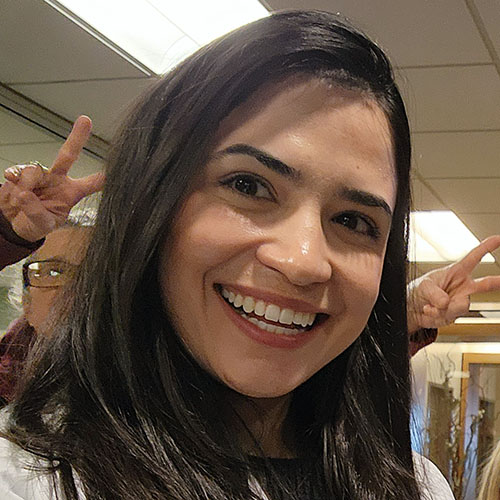
Paulina Vega
Fusariosis in Hematologic Malignancies in the Era of Antifungal Prophylaxis
PRACTICUM SITE: Fred Hutchison Cancer Research Center
SITE SUPERVISOR: David Fredricks
DEPARTMENT: Epidemiology
FACULTY ADVISOR: Amanda Phipps
I am a second-year MPH Epidemiology student and am currently completing my third year of training in Infectious Diseases. For my practicum, I am studying Fusarium infections among patients with hematologic malignancies at Fred Hutch. Fusarium is an uncommon mold, but when it causes infection in immunocompromised hosts, especially individuals undergoing chemotherapy or transplant, it is associated with high morbidity and mortality. Because these infections are rare, treatment approaches are often inconsistent and largely guided by limited case series or provider experience. Through this project, I aim to describe local epidemiology, capture how diagnoses are made, and evaluate treatment strategies and outcomes. Ultimately, our goal is to strengthen understanding of Fusarium disease in high-risk patients and support clinicians in recognizing and managing these complex infections.

Yixuan Wang
Adapting China's '1-3-7' Malaria Surveillance Model for African High-Burden Contexts: Insights from Public Health Workers
PRACTICUM SITE: Peking University
SITE SUPERVISOR: Minghui Ren
DEPARTMENT: Global Health
FACULTY ADVISOR: Yanfang Su
As a Master of Public Health student at the University of Washington specializing in Global Health, I conducted my practicum at the Department of Global Health, Peking University School of Public Health, under the supervision of Dr. Minghui Ren. My project explored the adaptation of China’s “1-3-7” malaria surveillance model in high-burden African countries through qualitative interviews with frontline public-health workers from Gambia, Burkina Faso, Uganda, and South Sudan. Using thematic analysis, the study identified key barriers—such as fragile health systems, workforce shortages, and funding instability—as well as opportunities for China–Africa collaboration. The findings highlight strategies for phased implementation and capacity building to strengthen malaria surveillance and contribute to global elimination goals.
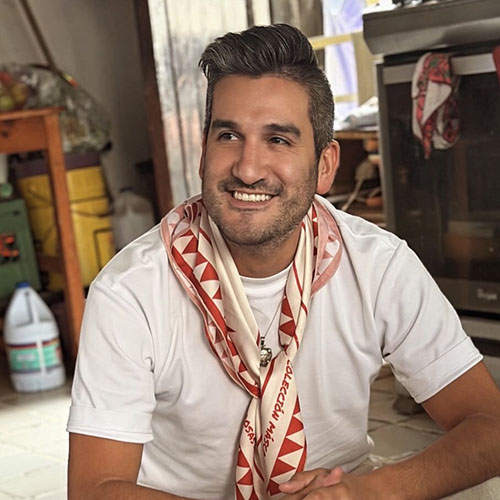
Alé Barrientos
Co-Constructing Care: Community Mental Health and Ethnographic Engagement in Dar es Salaam, Tanzania
PRACTICUM SITE: Health Tanzania
SITE SUPERVISOR: Cyprian Chilowaka
DEPARTMENT: Global Health
FACULTY ADVISOR: Katarina Mucha
I am a second-year Global Health MPH student with a concentration in epidemiology and a background in medical anthropology. My academic and professional interests center on structural violence, post-colonial societies, and community-driven health systems strengthening in global contexts. For my practicum, I partnered with SEET Tanzania and the Health Tanzania Foundation in Dar es Salaam to support the development of a culturally responsive, community-based mental wellness and self-care program. I conducted ethnographic fieldwork, including unstructured interviews and anthropological filmmaking, and documented success stories of orphans supported by SEET. I also contributed to organizational branding and communications and facilitated workshops to build local capacity in qualitative research methods. Grounded in Community Oriented Family Medicine principles, the practicum emphasized ethical global health practice, sustainability, and strengthening organizational tools for future program expansion and evaluation.

PRACTICUM SITE: Albuquerque Area Southwest Tribal Epidemiology Center
SITE SUPERVISOR: Carolyn Parshall
DEPARTMENT: Epidemiology
FACULTY ADVISER: Mandy Fretts
Yá'át'ééh, my name is Thea Benally, and I am Diné and White Mountain Apache from New Mexico.
I am a second-year Epidemiology MPH student with interests in chronic diseases, priority populations, and public health practice. I worked with the Albuquerque Area Southwest Tribal Epidemiology Center (AASTEC). AASTEC is one of six programs in which the Albuquerque Area Indian Health Board specializes, providing health services and technical assistance. AASTEC is a public health authority serving 27 tribes in the Southwest. AASTEC collaborates with the 27 Tribes to provide high-quality data, training, technical support, and public health services. For my practicum, I worked on a Secondary Data Analysis and Community Reporting for the Ute Mountain Ute tribe in White Mesa, Utah.
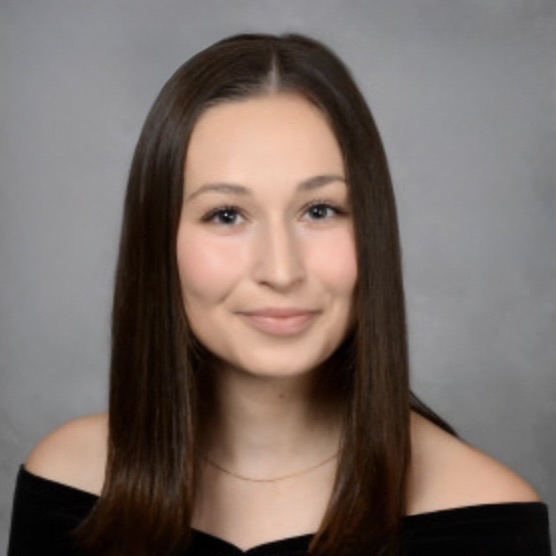
Brooke Erickson
Strengthening Mental Health Support in Ethiopia Through Faith-Based Collaboration
PRACTICUM SITE: Strengthening Care Opportunities Through Partnership in Ethiopia (SCOPE) Health
SITE SUPERVISOR: Getahun Asres Alemie
DEPARTMENT: Global Health
FACULTY ADVISER: Brandon Guthrie
I am a second-year MPH student in the Department of Global Health, with a focus on mental health systems strengthening in low-resource settings. My practicum was with Strengthening Care through Opportunities in Ethiopia (SCOPE) Health, an organization that employs a model connecting faith leaders, community health workers, and community members to promote health and well-being. My work focused on mental health, including validating a substance use assessment tool for the Ethiopian context, piloting a mental health treatment preferences survey, developing a post-implementation analysis on the sustainability of SCOPE’s Leading Advancements for the Uptake of Newborn and Community Health (LAUNCH) trial, and composing a call-to-action proposal for supporting internally displaced youth in Ethiopia grappling with mental health challenges, which commonly co-occur with conditions such as stunting and wasting, from the ongoing conflict. The completion of these deliverables was founded upon informal interviews with community members and local stakeholders.
Paola Armenta León
Understanding Climate Change Action and its repercussions in Public Health in Iquitos, Perú
PRACTICUM SITE: Healthy Amazonian Green Cities
SITE SUPERVISOR: Jorge A. Alarcon
DEPARTMENT: Global Health
FACULTY ADVISOR: Joseph R. Zunt
I am a second-year student in the MPH program at GH, concentrating in Climate Change. My practicum project focuses on understanding how public health authorities in Iquitos, Peru, address the health impacts of climate change. In collaboration with Healthy Amazonian Green Cities (HAGC) and the UW Department of Global Health, I performed literature reviews and in-depth interviews with Climate Change and Public Health stakeholders of the city. I identified existing programs, adherence to policies and protocols, data monitoring and evaluation, and collaboration within them. Therefore, the research supports HAGC in identifying potential partners in the city of Iquitos to implement evidence-based practices.
Tasi Jones
Modeling the Impact of Family Medicine Residency Closures on Healthcare Access and Quality in the WWAMI Region
PRACTICUM SITE: University of Washington Family Medicine Residency Network / University of Washington
SITE SUPERVISOR: Amanda Weidner
DEPARTMENT: Health Systems and Population Health
FACULTY ADVISOR: Miruna Buta
I am a second-year MPH student in the Health Systems and Population Health Department. My practicum models how family medicine residency program closures within the UW Family Medicine Residency Network may affect health care access and quality across the WWAMI region. By integrating workforce and population data into an interactive dashboard, this project is designed to support health system and policy decision-making, reflecting my broader interests in health care access and the structural factors that shape people’s ability to reach care.
Anneth Mbowe
Critical Thresholds: Predicting Life-Saving Surgical Interventions in Pregnant Trauma Patients using Shock Index and Injury Severity.
PRACTICUM SITE: Marshfield Clinic Research Institute
SITE SUPERVISOR: Heather Rhodes
DEPARTMENT: Epidemiology
FACULTY ADVISOR: Daniel Enquobahrie
I am a second-year MPH Epidemiology student with interests in healthcare innovations and leveraging emerging technologies to advance health, promote health equity, and improve health outcomes. For my practicum, I worked as a research intern alongside trauma researchers and physicians at a rural research institute in Wisconsin, the Marshfield Clinic Research Institute. The project focused on identifying predictors of life-saving interventions, resource-intensive hospitalization, and reduced functional outcomes in pregnant trauma patients using national data from the American College of Surgeons Trauma Quality Improvement Program (ACS-TQIP). The goal is to generate a clinical guideline that will inform early triage, guide surgical decision-making, and anticipate post-acute care needs in this uniquely vulnerable population. My role in the development of this guideline was to conduct a research study to identify gaps in healthcare delivery and clinical management of 1,685 pregnant trauma patients. This opportunity strengthened my skills in clinical research, stakeholder communication, epidemiologic methods, data analysis, manuscript writing, and presentation.
Roberto Ramirez
Evaluating Leadership Growth in Washington’s Agricultural Sector: A Mixed-Methods Process Evaluation of the Agricultural Leadership Program (ALP)
PRACTICUM SITE: Pacific Northwest Agricultural Safety and Health Center (PNASH)
SITE SUPERVISOR: Maria Blancas
DEPARTMENT: Health Systems and Population Health
FACULTY ADVISOR: Clarence Spigner
I am an MPH student in Health Systems and Population Health at the University of Washington School of Public Health. For my practicum, I worked with the Pacific Northwest Agricultural Safety and Health Center (PNASH) to evaluate the Washington State Tree Fruit Association’s Agricultural Leadership Program. This program aims to strengthen leadership, communication, and supervisory skills among agricultural leaders across Washington State. My practicum focused on assessing program implementation and perceived impact using a mixed-methods approach that included pre- and post-program surveys, focus groups, and thematic analysis. I analyzed quantitative and qualitative data to understand changes in participant confidence and identify key program strengths and areas for improvement. The findings were synthesized into stakeholder-facing reports and visuals to support continuous quality improvement and inform future program delivery.
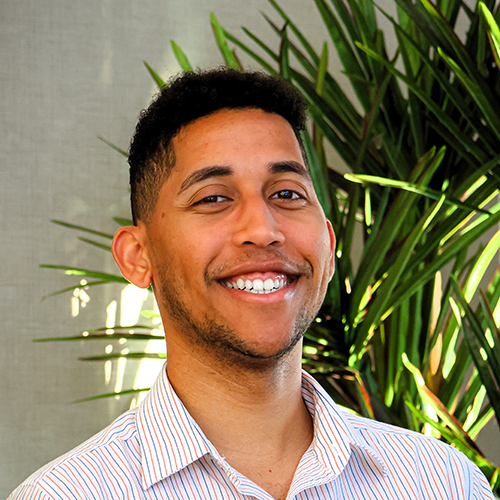
Victor Polanco Vargas
Mi Salud: Community-Based Cardiometabolic Health Screening, Counselling and Referral Pilot Program
PRACTICUM SITE: Latino Center for Health
SITE SUPERVISOR: Leo Morales
DEPARTMENT: Epidemiology
FACULTY ADVISER: Amanda Phipps
I am a Medical Doctor and Graduate Student in the Department of Epidemiology. Originally from the Dominican Republic, I have over five years of international research experience in chronic diseases, clinical epidemiology, and health equity. My practicum project, “Mi Salud: Community-Based Cardiometabolic Health Screening, Counseling, and Referral Pilot Program,” focuses on detecting and referring individuals with hypertension, diabetes, or pre-diabetes, providing education on healthy lifestyles and nutrition, and supporting participants in navigating the health system. The project aims to serve the Latino immigrant population in Washington by promoting equitable access to preventive care and fostering community trust. Through this initiative, I combined my passion for global health and evidence-based practice to advance policies that reduce health disparities and strengthen public health systems.
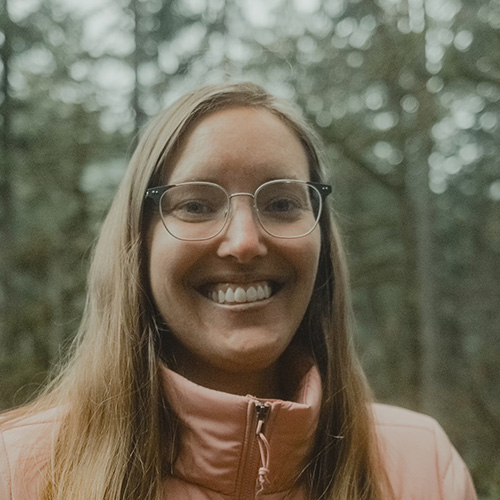
PRACTICUM SITE: Washington Physicians for Social Responsibility
SITE SUPERVISOR: Lilly Deerwater
DEPARTMENT: Health Systems and Population Health
FACULTY ADVISOR: Molly Firth
I am a second-year MPH student in the Health Systems and Population department, with a concentration in Health Systems and Policy. For my practicum, I worked with Washington Physicians for Social Responsibility (WPSR), specifically with the Economic Inequity and Health task force. I started my practicum by conducting interviews with task force members. Interviews were designed to gain perspective on the narrative of economic inequity and health, highlight key issues and misconceptions, and identify the most effective way to communicate this information to a broader audience. The two products I created for WPSR were a slide deck consisting of 50 slides and a written report, both shaped by the interviewee’s responses. My slide deck will be presented at conferences, events, and other various audiences, including schools and health organizations. Both these products aim at increasing awareness of the links between economic inequity and health outcomes, as well as advocating for policies that address upstream factors, such as affordable housing laws and progressive taxation.

Elena Dixon
Process Evaluation of the Community Navigator Pilot Project at Snohomish County Health Department
PRACTICUM SITE: Snohomish County Health Department
SITE SUPERVISOR: Suzy (Suji) An
DEPARTMENT: Epidemiology
FACULTY ADVISOR: Daniel Enquobahrie
I am a second-year MPH student in Epidemiology in the Maternal and Child Health track. I completed my practicum at Snohomish County Health Department (SCHD), where I supported the Epidemiology and Informatics Team alongside the Community Navigator Staff Team with a process evaluation of a community navigator pilot project. The project aimed to improve access to health services for historically excluded populations in Snohomish County by partnering with community organizations that serve as cultural intermediaries, ensuring that public health programs are inclusive, accessible, and culturally sensitive. I analyzed quantitative and qualitative data to evaluate the implementation, reach, and impact of workshops hosted by SCHD for community navigators. I synthesized and disseminated evaluation findings through a workshop evaluation report and slide deck. My practicum work will shape ongoing approaches to community navigator work, inform community outreach strategies, and help identify new funding strategies for the program.
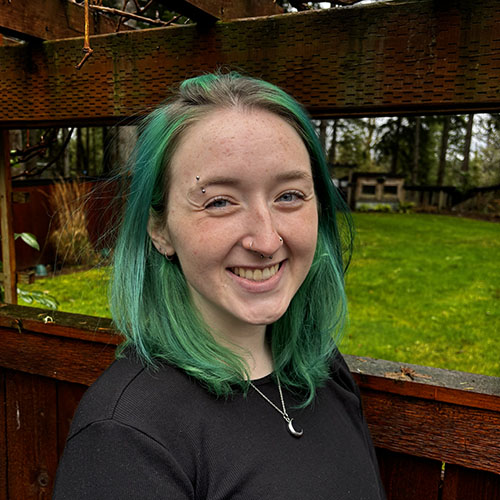
PRACTICUM SITE: SEIU 775 Benefits Group
SITE SUPERVISOR: Kate Causey
DEPARTMENT: Epidemiology
FACULTY ADVISOR: Hyunju Kim
I am a second-year MPH student in Epidemiology with interests in the health and wellbeing of caregivers and individuals receiving care. For my practicum, I worked with SEIU 775 Benefits Group to explore the self-identified needs, concerns, and priorities of parent providers. My role involved developing a semi-structured interview guide, conducting interviews with parent providers, and disseminating key findings with the SEIU 775 Research team as well as interview participants. We hope to use the findings from this project to guide future research on how SEIU 775 Benefits Group can best support parent providers.
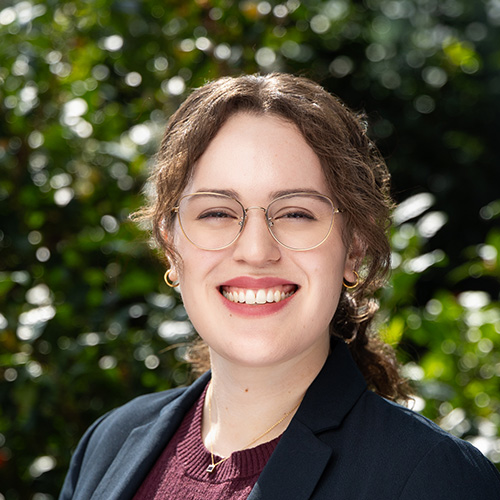
PRACTICUM SITE: Gates Foundation via the UW START Center
SITE SUPERVISOR: Akhtar Badshah
DEPARTMENT: Health Systems and Population Health
FACULTY ADVISOR: Molly Firth
I am a third-year concurrent student pursuing my MPA and MPH with a focus on health systems and policy. For my practicum, I worked at the UW START Center with a student team contracted to the Gates Foundation’s Philanthropic Partnerships Team (PPT). The goal of the project was to help the PPT support their philanthropic partners through strategic, targeted engagement in emerging fields and spaces of philanthropic giving. To accomplish this, the project sought to understand sector patterns and nuanced shifts in philanthropic giving and mechanisms of giving through sector-level dynamics and regional differences. Using this information, the team produced a report on the landscape of philanthropy over the past decade and presented a condensed overview to the Foundation team. The final deliverable was also a restructured list of taxonomies of interest that reflect the recent shifts in global philanthropy.

Maryam Hamid
Evaluating the Effectiveness and Implementation Feasibility of Culturally Adapted Problem Management Plus (PM+) in Improving Mental Health of the Somali Community
PRACTICUM SITE: Health Promotion Research Center
SITE SUPERVISOR: Lesley Steinman
DEPARTMENT: Global Health
FACULTY ADVISOR: Alison Drake
I am a second-year MPH student in the Department of Global Health with interests in mental health, substance use, and child development. For my practicum, I worked with the Health Promotion Research Center in collaboration with community-based partner Neighborhood House. The project focused on assessing the effectiveness and implementation of culturally adapted Problem Management Plus (PM+), co-designed with a Somali community co-design council.
My role involved adapting existing mental health outcome measures, including PHQ-9 and GAD-7, to ensure cultural relevance and appropriateness. I also developed a provider-facing toolkit outlining best practices for community-engaged data collection, as well as a brochure for participants explaining the purpose of data collection and how the findings would benefit both the study and the broader Somali community. This work supported equity-based, community-informed mental health research and implementation.
PRACTICUM SITE: Latino Educational Training Institute
SITE SUPERVISOR: Rosario Reyes
DEPARTMENT: Health Systems and Population Health
FACULTY ADVISOR: Miruna Buta
I am a second-year MPH student in the Health Systems and Population Health department, with a concentration in Social and Behavioral Sciences. As a sociologist by training, I specialize in maternal mortality and mental health secondary to social determinants of health such as race/ethnicity and socioeconomic status. For my practicum, I worked with the Latino Educational Training Institute to design their new after school youth program. I created a mixed quantitative-qualitative survey to be distributed to various members of the community, including youth, parents, and secondary school faculty members. With these responses, I conducted a quantitative analysis to identify trends in the resources desired for youth, as well as a qualitative analysis of open answer responses expanding on those opinions. This work led to an executive summary including a needs assessment of the community and an implementation plan for LETI's new program, which launched on October 21st, 2025.

PRACTICUM SITE: FIRST Clinic
SITE SUPERVISOR: Adam Ballout
DEPARTMENT: Health Systems and Population Health
FACULTY ADVISOR: Miruna Buta
I'm a second-year MPH student in the Department of Health Systems and Population Health, on the Social and Behavioral Sciences track. For my practicum, I worked with FIRST Clinic, which supports pregnant and postpartum mothers by helping them understand their rights and options to prevent unnecessary family separations and reduce the trauma associated with child removal.
We developed an IPE ethics lab that introduces UW students to systemic barriers faced by mothers with substance use disorders and raises awareness of FIRST Clinic’s work. My responsibilities included conducting literature reviews to inform and strengthen the curriculum’s design. I also designed educational brochures for attendees to reference. Additionally, I was involved in planning and creating presentation materials, as well as meeting with stakeholders.
This experience allowed me to apply my public health communication skills, engage in cross-sector collaboration, identify potential guest speakers, and explore opportunities for future medical-legal partnerships.

Julia Owens
Review of Existing Complex Discharge Policy Across the United States and Recommendations for Washington State
PRACTICUM SITE: Washington State Health Care Authority
SITE SUPERVISOR: Glory Dole
DEPARTMENT: Health Systems and Population Health
FACULTY ADVISOR: Molly Firth
I am a Second Year MPH Student in the Health Systems and Population Health Department, specializing in the policy track. For my practicum, I worked with the Washington State Health Care Authority to review policies and make policy recommendations around supporting complex discharge cases. The goal of this project was to give the Health Care Authority viable policy recommendations they could consider implementing based on what other states had done to address this issue. In my capacity I reviewed literature and policies across the United States. I also interviewed key informants from multiple states to get their perspectives on the issue. All throughout this project I was able to connect with many passionate public health practitioners.

PRACTICUM SITE: Central Vancouver Island
SITE SUPERVISOR: Adam Hoverman
DEPARTMENT: Epidemiology
FACULTY ADVISOR: Stephen Schwartz
For my MPH practicum with Island Health, I worked on a project focused on reducing social isolation among older adults through stronger collaboration between healthcare providers and community partners. This experience helped me see how the social determinants of health show up in everyday clinical settings and how upstream public health solutions can make a meaningful difference. I worked closely with pharmacists and health authority staff to understand the real-world challenges of implementing programs within an existing healthcare system, from coordination and workflow to practical logistics. The practicum taught me that successful public health work depends not only on strong ideas, but also on collaboration, adaptability, and attention to detail. Overall, this experience reinforced my passion for health systems innovation and for building stronger connections between clinical care and community-based public health solutions.
Sabrina Shaffer
Improving Consumer and Pharmacist Awareness of No-Cost Over-the-Counter Contraceptive and Breast Pump Coverage in Washington State
PRACTICUM SITE: Foundation for Health Care Quality
SITE SUPERVISOR: Ginny Weir
DEPARTMENT: Health Systems and Population Health
FACULTY ADVISOR: Molly Firth
I am a second-year MPH candidate in the Department of Health Systems and Population Health with a concentration in Health Policy. For my practicum, I worked with the Foundation for Health Care Quality (FHCQ) on a project to improve awareness and access to over-the-counter contraceptives and electric breast pumps without cost-sharing in Washington State. This project supported FHCQ’s Administrative Simplification program, advancing consumer-friendly access and compliance with state policies (RCW 48.43.072, RCW 48.43.047, and WAC 284-43-7250). I developed educational materials for consumers and pharmacists, collaborated with the Office of the Insurance Commissioner, and presented findings to multi-sector workgroups. Through this experience, I strengthened my skills in policy analysis, communication, and stakeholder collaboration, contributing to statewide efforts that promote equitable reproductive and maternal health access.
PRACTICUM SITE: Seattle Office for Civil Rights
SITE SUPERVISOR: Clarence Spigner
DEPARTMENT: Health Systems and Population Health
FACULTY ADVISOR: Hajer Al-Faham
I am a second-year MPH student in the Health Systems and Population Health department. For my practicum I worked with Seattle Office for Civil Rights (SOCR) on a qualitative research study examining the barriers and facilitators to resources and the lived experiences amongst people experiencing homelessness in the City of Seattle. My deliverables to the policy team at SOCR included a presentation exploring the links between civil rights, public health, and homelessness and displacement, and a policy brief focusing on addressing racial disparities in homelessness. My goal for this project was to gain experience doing cross-sectoral work, and to gain insights into the policy work rooted in equity and justice.

Samantha Tran
Bioethics Lab - Systemic harm and ethical response: Rethinking CPS in Maternal Healthcare
PRACTICUM SITE: F.I.R.S.T. Legal Clinic
SITE SUPERVISOR: Adam Ballout
DEPARTMENT: Global Heath
FACULTY ADVISOR: Rabi Yunusa
I am a second-year MPH student in the department of Global Health who completed my practicum by designing and facilitating an interprofessional education (IPE) session for graduate students across healthcare disciplines, including medicine, nursing, social work, pharmacy, and public health. My project focused on systemic harm and ethical responses related to Child Protective Services (CPS) involvement in maternal healthcare, using the F.I.R.S.T. Legal Clinic as a case-based learning framework. The session integrated didactic content, small-group discussion, lived experience from parent allies, and interprofessional case documentation exercises to help students recognize how biased language and incomplete medical documentation can contribute to unnecessary family separation. Through this work, I aimed to strengthen students’ understanding of medical-legal partnerships, improve trauma-informed and strengths-based documentation practices, and promote collaborative approaches that prioritize family preservation and equitable care.

Sophia Tulino
Supporting Health Equity Through Policy Research and Analysis at Public Health Seattle & King County
PRACTICUM SITE: Public Helath Seattle and King County (PHSKC)
SITE SUPERVISOR: Jessica Jeavons
DEPARTMENT: Health Systems and Population Health
FACULTY ADVISOR: Molly Firth
I am a second-year MPH student in the Department of Health Systems and Population Health, with a concentration in Health Policy. My passion for health equity and affecting change by working on structural determinants of health led me to pursue a practicum doing policy work. I was connected with the Director of Policy and Strategy at Public Health Seattle and King County (PHSKC), where I supported two different community-led policymaking processes. The Health Equity Anti-Racism Community Advisory Group (HEARCAG) was focused on pursuing three policy priorities, while the Co-Design group was full of community members working on improving food access. I created fact sheets for HEARCAG’s policy priorities and wrote a policy memo on the impacts of Guaranteed Income on food access. I am grateful to have gained experience working with one of the nation’s leading health departments on co-developing policy with community.

Michael Walik
Group Concept Mapping for Barriers in Certified Peer Specialists in Rural Settings
PRACTICUM SITE: WWAMI Rural Health Research Center
SITE SUPERVISOR: Janessa Graves
DEPARTMENT: Epidemiology
FACULTY ADVISOR: Anjum Hajat
I am a second-year MPH student in the Department of Epidemiology at the University of Washington. My practicum with the WWAMI Rural Health Research Center focused on developing a Group Concept Mapping (GCM) proposal to identify barriers to employing, training, and retaining Certified Peer Specialists (CPS) in rural communities. This work involved reviewing workforce literature, mapping key stakeholders, analyzing CPS training models, and estimating costs for participant incentives. As part of the proposal development, I helped shape a participatory research framework and compile IRB preparation materials to support future implementation of the study. This practicum allowed me to contribute meaningfully to rural health workforce development while deepening my skills in stakeholder engagement and participatory research design.
Aden Afework
Comprehensive Office Quality Improvement Plan: Standardizing Performance Measurement, Evaluation and Implementation in the Office of Environmental Public Health Sciences
PRACTICUM SITE: Washington State Department of Health
SITE SUPERVISOR: Laura Johnson
DEPARTMENT: Epidemiology
FACULTY ADVISOR: Amanda Phipps
I am a second-year MPH student in the Department of Epidemiology. My practicum project was with the Washington State Department of Health, Office of Environmental Public Health Sciences. In this project, I developed a quality improvement plan aligned with the office's overall mission to prevent illness and injury, minimize adverse human health impacts, and respond to the effects of climate change and environmental hazard exposures. I conducted research through staff interviews and a review of the office work plan to recommend measures to evaluate program effectiveness. I also developed a quality improvement plan, reporting template, and suggested benchmarks for future improvements to the respective WA DOH leadership staff. This work will help the agency track program progress, enhance accountability, and guide ongoing improvement efforts.
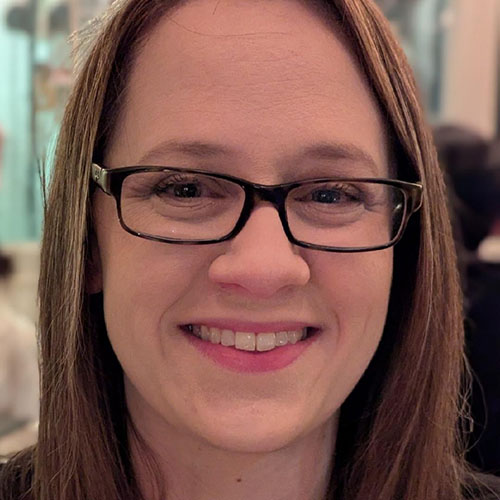
PRACTICUM SITE: University of Washington Medical Center, Department of Rehabilitation Medicine
SITE SUPERVISOR: Kathleen Pagulayan
DEPARTMENT: Health Systems and Population Health
FACULTY ADVISOR: Clarence Spigner
I am a second year Health Systems and Population Health MPH student. I have a background working at the University of Washington Medical Center that has created the interest in improving the healthcare setting for both the patients and the staff that care for them.
My practicum provided me the opportunity to work with the Rehab Psych department with the Rehabilitation Department at University of Washington Medical Center with their current On-Tracc study. The study aims to help individuals who have persistent cognitive complications post concussion. Throughout the project I worked on medical record review, contributing to a standard operating procedure, and creating a booster session. Having already had experience of the in-patient side of rehab therapy, it was great to have the opportunity to see it from a different perspective and learn many new skills to take with me into a career of helping more patients.
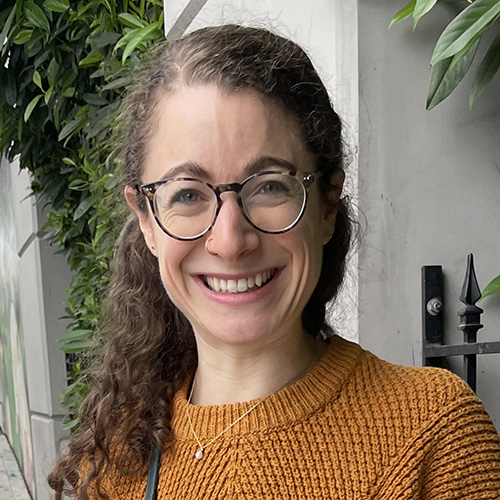
Abby Fessler
Implementation and Acceptability of Point-of-Care Sexually Transmitted Infection Testing at a Mobile Clinic for Women Who Inject Drugs in Seattle, WA
PRACTICUM SITE: SHE Mobile Clinic at Aurora Commons
SITE SUPERVISOR: Maria Corcorran
DEPARTMENT: Health Systems and Population Health
FACULTY ADVISOR: Maria Corcorran
I am a second-year MPH candidate in Health Systems and Population Health and a current Infectious Diseases fellow at the University of Washington. My clinical and research interests center on sexually transmitted infection (STI) prevention among women, low-barrier care delivery models, and sexual health education. For my practicum, I partnered with the SHE Mobile Clinic, a weekly venue-based clinic in North Seattle providing substance use and sexual health services to women who inject drugs. I worked closely with clinic leadership to evaluate the impact of this innovative care model by analyzing participant characteristics, STI point prevalence, and treatment outcomes. In addition, I engaged patients and staff to assess perspectives on point-of-care STI testing and identify barriers and facilitators to clinic implementation. Findings from this work will guide ongoing efforts to improve and adapt this non-traditional care model to better serve its target population.
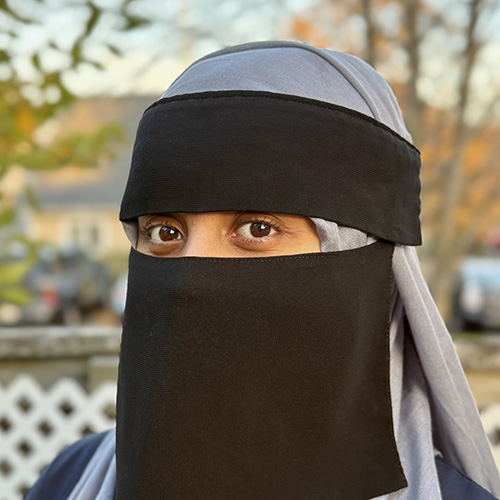
PRACTICUM SITE: UW Medicine Primary Care & Population Health
SITE SUPERVISOR: Nkem Akinsoto
DEPARTMENT: Health Systems and Population Health
FACULTY ADVISOR: Clarence Spigner
I am currently a second-year MPH student in Health Systems and Population Health. For my practicum, I am collaborating with the Population Health team to extract quality-measure data from Tableau and update Excel reports on immunizations and cancer screenings. My project examines disparities in cervical cancer screening and blood pressure management among Hispanic/Latino/Latina/Latinx, Black/African American, and Pacific Islander patient populations in comparison to White patients. . I am also updating a community resource catalog to help connect patients with the resources they need. My professional focus is on advancing health equity, maternal and child health, and enhancing care for underserved communities.

PRACTICUM SITE: Swedish Edmonds Emergency Department
SITE SUPERVISOR: Jessica Lira-Corhei
DEPARTMENT: Health Systems and Population Health
FACULTY ADVISOR: Molly Firth
I am an MPH student in Health Systems and Policy at the University of Washington completing my practicum at the Swedish Edmonds Emergency Department. My practicum focuses on supporting emergency department policy review and implementation following recent Department of Health surveys. Working alongside department leadership, I assist with reviewing existing policies and procedures, identifying gaps between current practice and regulatory requirements, and supporting the implementation of updated workflows and documentation processes. This work aims to strengthen operational readiness, improve policy compliance, and support high-quality, equitable emergency care delivery. Through this practicum, I am gaining hands-on experience in health systems operations, regulatory policy implementation, and quality improvement in a fast-paced clinical setting, while applying public health frameworks to real-world emergency care challenges.
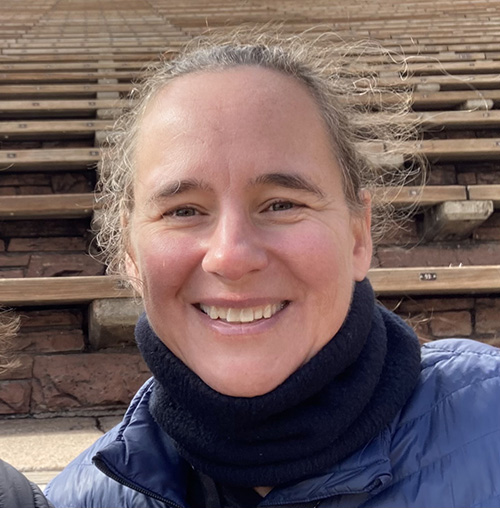
Sarah Lill
Treatment of Obesity-Related Diseases: Early Career Primary Care Physicians' Experience with the Practice of Lifestyle Medicine
PRACTICUM SITE: UW Department of Family Medicine
SITE SUPERVISOR: Emily Godfrey
DEPARTMENT: Online MPH
FACULTY ADVISOR: Genya Shimkin
I am a returning MPH candidate, having started the program in 2008. I am a Physician Assistant with an interest in the use of Lifestyle Medicine as a patient-centered modality to bring more equity to the prevention and management of noncommunicable diseases. Through analysis of one-one-one interviews with early career primary care physicians, my practicum project has helped me to better understand key barriers to the implementation of Lifestyle Medicine.

Deborah Olapido
Understanding How Healthcare Organizations Support Patient Transportation Needs in WA State
PRACTICUM SITE: Foundation for Health Care Quality
SITE SUPERVISOR: Ginny Weir
DEPARTMENT: Global Health
FACULTY ADVISOR: Stephanie Farquhar
I am a second-year MPH student in the Department of Global Health. I am completing a practicum with the Foundation for Health Care Quality (FHCQ), a Washington-based non-profit organization committed to improving healthcare delivery by advancing quality, patient safety, and equity. This practicum project addresses an important need to understand how healthcare providers across Washington State are responding to transportation barriers that affect patients’ ability to receive care. I am investigating current challenges and opportunities that healthcare organizations face in addressing these barriers and exploring potential innovations to support ongoing efforts. My work involves conducting discussions with healthcare organizations and community organizations, and synthesizing insights to identify challenges, opportunities, and innovative approaches. This practicum supports the Foundation for Health Care Quality’s work with partner organizations by contributing actionable insights on addressing patient transportation needs in Washington State.
Aimy Paulsen
Improving the PEARLS Implementation Toolkit for Diverse and Underserved Communities
PRACTICUM SITE: Health Promotion Research Center - PEARLS
SITE SUPERVISOR: Perla Bravo
DEPARTMENT: Health Systems and Population Health
FACULTY ADVISOR: Miruna Buta
I am an MPH student with interests in mental health interventions for older adults, community-based behavioral health strategies, and implementation science, with a particular focus on strengthening the research-to-practice pipeline. My practicum focuses on PEARLS, an evidence-based depression program for community-dwelling older adults delivered by trained lay coaches. Working with the PEARLS Implementation and Technical Assistance (TA) team, I examined challenges organizations face related to cultural adaptation and implementation fidelity. I conducted qualitative interviews with coaches, supervisors, and participants, and designed a survey for decision-makers at non-adopting sites to identify barriers to uptake. Findings informed an evaluation report and a revamp guide for the PEARLS Implementation Toolkit, incorporating DEI principles, improving language accessibility, and developing a quotes and stories bank to better support implementation across diverse communities.

Andy Pham
Office Quality Improvement Plan: Standardizing Performance Measurement, Evaluation and Implementation in the Office of Environmental Public Health Sciences at WA DOH
PRACTICUM SITE: Washington State Department of Health
SITE SUPERVISOR: Laura Johnson
DEPARTMENT: Health Systems and Population Health
FACULTY ADVISOR: Clarence Spigner
I'm a second-year MPH student in the Health Systems and Population Health track. My career is grounded in a growing focus on quality improvement, leadership, and systems-level strategies that strengthen public health infrastructure.
My project partners with the Office of Environmental Public Health Sciences in developing a quality improvement plan aligned with its mission to protect public health from environmental hazards. I will research and recommend measures to evaluate program effectiveness, create a reporting template and work plan, and suggest benchmarks for future improvements to respective WA DOH leadership staff. This work will help the agency track progress, enhance accountability, and guide ongoing improvement efforts for future environmental health interventions.
Karling Rutenbeck
Accessing Abortion Care in Banned States: Comparing the Utilization of Patient-Service Communications
PRACTICUM SITE: Access, Delivered: Research Initiative and Women’s Health Research and Scholarship Lab
SITE SUPERVISOR: Anna Fiastro
DEPARTMENT: Health Systems and Population Health
FACULTY ADVISOR: Molly Firth
I am a second-year Health Systems and Policy student with an interest in healthcare utilization and policy development. For my practicum experience, I analyzed patient communications to compare the experiences of patients who traveled for abortion care and and those received care virtually.
PRACTICUM SITE: University of Bergen: Bergen Center for Ethics and Priority Setting
SITE SUPERVISOR: Kjell Arne Johansson
DEPARTMENT: Global Health
FACULTY ADVISOR: David Watkins
FairChoices is a digital tool for policymakers and country heads across the globe, especially in lower and middle income countries (LMICs), to make informed decisions. It is a priority setting tool that provides information about various health intervention and their cost-effectiveness. My practicum project involved conducting evidence appraisal for mental health interventions listed, and to ensure the interventions are rooted in gold standard evidence.
Betelehem Tessema
CARE Clinic: Building Internal and External Referral Systems and a Care Navigator Role
PRACTICUM SITE: Odessa Brown Children's Clinic
SITE SUPERVISOR: Cora Weed
DEPARTMENT: Health Systems and Population Health
FACULTY ADVISOR: Kate West
I am a second-year student in the Health Systems and Population Health program, Generalist track. For my practicum, I worked with the team at Odessa Brown Children's Clinic to develop an internal and external referral system for a new program called the Community Assistance Restoration Education (CARE) Clinic. The CARE Clinic aims to provide services for youth who have experienced trauma by bridging the gap between intensive care and primary care. During my time with the team, I contributed to designing both internal and community-facing referral pathways. I also supported the development of a new Care Navigator role, which serves as the primary point of contact for youth referred to the program.
PRACTICUM SITE: China National Health Development Research Center
SITE SUPERVISOR: Zhisheng Zhang
DEPARTMENT: Health Systems and Population Health
FACULTY ADVISOR: Molly Firth
I am a second-year MPH student in Health Systems and Population Health (Policy Track), interested in health system reform and policy in both China and the U.S. China is currently developing its 15th Five-Year Plan, and provinces and regions are simultaneously shaping their health development strategies. My practicum focused on supporting this process in regional setting through field research and policy analysis. I evaluated the achievements and challenges of a region during the previous Five-Year Health Plan period, conducted stakeholder interviews, and identified system needs across public health and healthcare delivery. Based on these findings, I developed policy recommendations to inform the region’s 15th Five-Year Health Development Plan.
Richard Duong
Expanding Washington State’s Firearm Safe Storage Map by Outreach, Partnership Building, and Practical Guidance for Sustainable Growth
PRACTICUM SITE: Center for Firearm Injury Prevention Research (C-FIP)
SITE SUPERVISOR: Kelsey M Conrick
DEPARTMENT: Epidemiology
FACULTY ADVISOR: Jessie Seiler
I am a second-year MPH student in the Department of Epidemiology completing my practicum with the University of Washington's Center for Firearm Injury Prevention Research (C-FIP). This project focuses on enhancing community outreach or Washington State Firearm Safe Storage Map, a resource for individuals in crisis. As part of this work, I consolidated data on law enforcement agencies and firearm retailers across the state into a master contact list and developed communication materials to support outreach efforts. For the next phase of the project, I was able to use the materials to engage agencies and retailers about participating in the Map, with the goal of expanding safe storage options statewide and improving access to resources that prevent firearm-related harm.
Rebekah Kamer
Using Systems Thinking and Social Network Analysis to Guide Kitsap County’s Opioid Response
PRACTICUM SITE: Kitsap Public Health District- Chronic Disease and Injury Prevention
SITE SUPERVISOR: Naomi Levine
DEPARTMENT: Epidemiology
FACULTY ADVISOR: Anjum Hajat
I am a second-year MPH Epidemiology student at the University of Washington’s School of Public Health, passionate about advancing health equity and fostering health communities through data-informed public health practice. My practicum was conducted with the Kitsap Public Health District focusing on the Kitsap County Opioid Response Network. In this role, I helped conduct a social network analysis to assess collaboration patterns among community partners engaged in the county’s response to the opioid epidemic. Using insights from this analysis, I developed a systems thinking tool and conceptual model designed to strengthen cross-sector communication, break down silos, and enhance collective action against the opioid epidemic tailored to the specific needs of the community. This work culminated in a strategy proposal to guide future coordination and resource-sharing efforts. Through this experience, I deepened my understanding of applying epidemiologic and systems approaches to complex community health challenges.
Camille King
Health Communication for EMS Community Programs: A Fall Prevention Social Media Campaign and AED Owner Website
PRACTICUM SITE: Public Health - Seattle & King County
SITE SUPERVISOR: Kristine Mejilla
DEPARTMENT: Health Systems and Population Health
FACULTY ADVISOR: Miruna Buta
I am a second-year MPH student in the Health Systems and Population Health department in the Social and Behavioral Sciences track with an interest in health communication, substance use, and chronic disease. For my practicum experience, I worked with the Community Programs Section of the Emergency Medical Services (EMS) Division at Public Health Seattle and King County. The Community Programs Section provides community-based programs focused on public awareness and education to citizens of King County regarding Cardiopulmonary Resuscitation (CPR) and Automatic External Defibrillator (AED) training, recognizing medical emergencies, calling 911 for medical assistance, injury prevention and health education. My practicum consisted of creating a year-long social media campaign for their Fall Prevention program (with the Communications Team), as well as a website for registered AED owners that includes an AED maintenance guide and maintenance log.

Shelby Thurman
Reframing Public Safety as Public Health: Community Engagement and Policy Development with the CARE Department
PRACTICUM SITE: Community Assisted Response and Engagement (CARE) Department
SITE SUPERVISOR: Rose Nakano
DEPARTMENT: Global Health
FACULTY ADVISOR: Rose Nakano
I am a second-year MPH Global Health student and a first-generation college student. My public health interests are social justice, political determinants of health, health policy, and war. Under this umbrella, I am interested in the intersection of public safety and public health specifically in the city of Seattle. My practicum project was completed with Seattle's Community Assisted Response and Engagement (CARE) Department where I spent time learning from the Community Crisis Responders (CCRs) about the importance of diversified response. While CARE was established in October 2023, there is still a lack of awareness regarding their existence and importance for our community. To ensure broader awareness in Seattle, I developed a flier that provided an overview of the who, what, where of CARE. Included were action items the community can engage in to support the CARE Department. In addition to the flier, I created a policy brief that outlined a public health framework the CARE Department could utilize for further program development and implementation.

Biruk Araya
Antimicrobial Resistance (AMR) Profiling of Poultry-Derived Enteric Pathogens in the ChEEP ChEEP 2 Study: Maputo, Mozambique
PRACTICUM SITE: Centro de Biotecnologia: Universidade Eduardo Mondlane (UEM) (Maputo, Mozambique)
SITE SUPERVISOR: Hermogenes Neves Mucache
DEPARTMENT: Global Health
FACULTY ADVISOR: Kelsey Jesser and Karen Levy
I am a second-year MPH student in the Department of Global Health with an interest in examining the relationship between water and sanitation infrastructure and their impact on the burden of disease in resource-limited settings. I completed my practicum with the Centro de Biotecnologia: Universidade Eduardo Mondlane (UEM), focused on assisting local study personnel in the collection and analysis of environmental and microbial samples, including raw chicken carcasses, vendor hand rinses, and slaughter process water from three informal markets (Janet, Povo, and Xipamanine) in Maputo City, Mozambique. I was responsible for performing the Kirby-Bauer disk diffusion susceptibility test and produced a visual procedure flowchart for the protocol, as well as a form for zone of inhibition sample entry. This was an important experience for me both academically and personally as I experienced a lot of personal growth by adapting to a new culture and daily routines outside of my comfort zone.
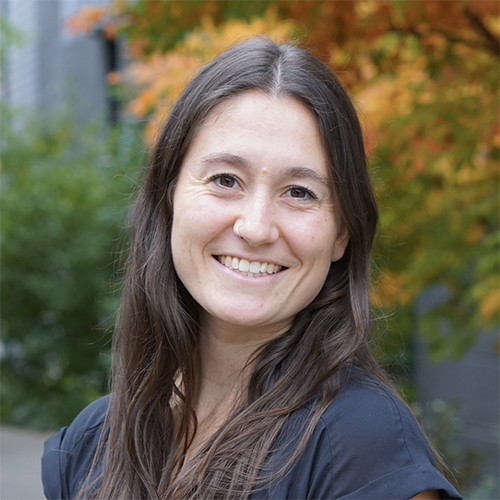
Adrienne Atkins
Farm to Care Centers: Building resources for local procurement in the Child and Adult Care Food Program in Washington State
PRACTICUM SITE: Washington Office of Superintendent of Public Instruction Child Nutrition Services
SITE SUPERVISOR: Petra Colindres
DEPARTMENT: Nutrition
FACULTY ADVISOR: Anne Lund
I am a second-year MPH student and dietetic intern in the Food Systems, Nutrition, and Health Program. Because of my interest in food policy and child nutrition, I chose to work on local procurement for food assistance programs. During this project with OSPI, I conducted a gaps analysis and needs assessment on local procurement and Harvest of the Season resources for Child and Adult Care Food Program (CACFP) sponsors. This entailed a survey and a focus group discussion on how existing resources were meeting sponsors' procurement needs and what additional resources were needed to help them with more seasonal, local procurement practices. Upon completion of the needs assessment, I created recommendations for procurement resources for OSPI to develop in the future.

Elisa Cirigliano
Creating a Nutrition Policy Toolkit for Community Food Banks and Meal Programs in Seattle, Washington
PRACTICUM SITE: City of Seattle
SITE SUPERVISOR: Sean Walsh & Tan-Mei Teo
DEPARTMENT: Nutrition
FACULTY ADVISOR: Anne Lund
I am a second-year MPH student and dietetic intern in the Food Systems, Nutrition and Health Program. For my practicum, I worked with the City of Seattle to create a Nutrition Policy Toolkit for community food banks and meal programs. Nutrition policies help these organizations improve the quality and nutrition of the food they offer to their customers, allowing for more equitable access to fresh and nutrient-dense foods. I interviewed program directors from several Seattle-based food banks and meal programs to discuss their needs and goals for implementing a nutrition policy. With that information, I wrote draft policies, pulled together resources and created a best practices guide for implementing and evaluating the policies. The toolkit is a resource that food banks and meal programs can refer to as they continue to update and implement their policies to fit their community’s needs.
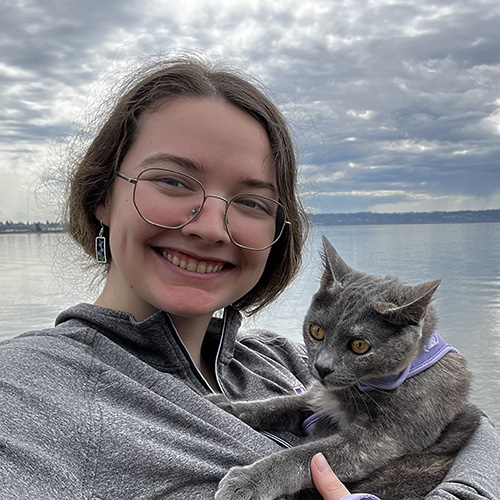
PRACTICUM SITE: WA DOH Climate and Health Section
SITE SUPERVISOR: Marnie Boardman
DEPARTMENT: Environmental and Occupational Health Sciences
FACULTY ADVISOR: Resham Patel
I am a second-year MPH candidate in the Department of Earth and Occupational Health Sciences (Environmental Health Sciences track). My research examines how climate change, particularly alterations in weather patterns and the frequency of extreme events, shapes disaster management strategies through a One Health and social equity perspective. For my practicum, I collaborated with the Washington State Department of Health’s Climate and Health Section to integrate climate change considerations into their rule review process. In partnership with fellow UW student Temy Ramadan, I conducted a comprehensive assessment of the rule review process, engaged with the Department’s rules team and other relevant teams, and co-developed a “worksheet” designed to evaluate how existing rules intersect with climate-related impacts. I piloted this tool with the On-Site Septic team which informed us of the usability and efficacy of our worksheets. Developing and piloting these worksheets generated insights to guiding the systematic inclusion of climate considerations in state public health policy-making.
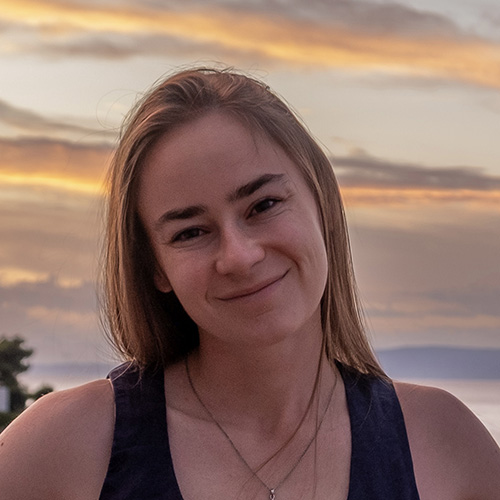
Carolyn Graham
Extreme Heat and Wildfire Smoke Toolkit and Webinar for Healthcare Professionals
PRACTICUM SITE: Foundation for Health Care Quality
SITE SUPERVISOR: Ginny Weir
DEPARTMENT: Epidemiology
FACULTY ADVISOR: Joan Casey
I am a second-year MPH candidate in the Department of Epidemiology. My research interests include environmental epidemiology, climate change and health, social determinants of health, and nutritional epidemiology. For my practicum, I worked with the Foundation for Health Care Quality to develop a toolkit for healthcare professionals to mitigate the risks of extreme heat and wildfire smoke. The toolkit contains tools from health departments and public health organizations for healthcare professionals to use to educate themselves and their patients, and to develop action plans. I developed workflows to illustrate the organization of materials within the toolkit and to provide an example workflow for addressing extreme heat and wildfire smoke with patients. I also led a webinar on how to use the toolkit in practice. Both the toolkit and the webinar are now publicly available and have been shared with healthcare professionals throughout Washington state and beyond.
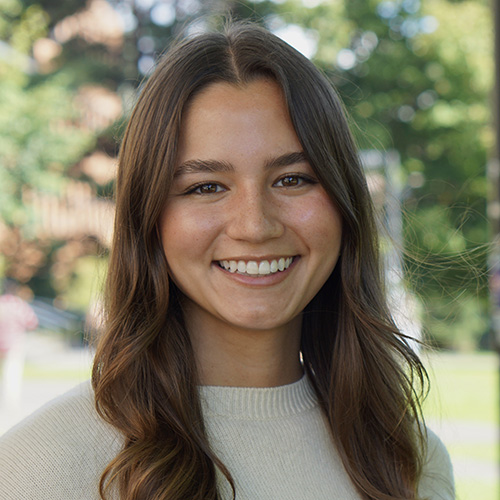
Emma Huynh
Disseminating Preventive Health Education to People with Intellectual and Developmental Disabilities Through Improved Clinician & Peer-to-Peer Training at Special Olympics Washington
PRACTICUM SITE: Special Olympics Washington
SITE SUPERVISOR: Emma Richardson
DEPARTMENT: Nutrition
FACULTY ADVISOR: Anne Lund
Special Olympics Washington (SOWA) aims to reduce health disparities and improve health outcomes for individuals with intellectual and developmental disabilities (IDD) by providing inclusive health screenings, education, and athlete-centered health programming.
The first component of this project involves coordinating Washington Health Promotion screening events alongside clinical directors and updating volunteer training materials to improve the delivery of nutrition and health information. This includes developing a volunteer communication handbook grounded in best practices for providing effective, accessible communication during screenings for individuals with IDD.
The second component of this project focuses on collaborating with Health Messengers – Special Olympic athletes who are leaders, educators, and advocates for healthy lifestyles, promotion of inclusive healthcare practices, and advocates for policies and resources that support individuals with IDD. As part of this work, I will develop an updated mini standard operating procedure and reference guide that consolidates key nutrition information and communication strategies to support Health Messengers in educating and engaging their peers and communities.
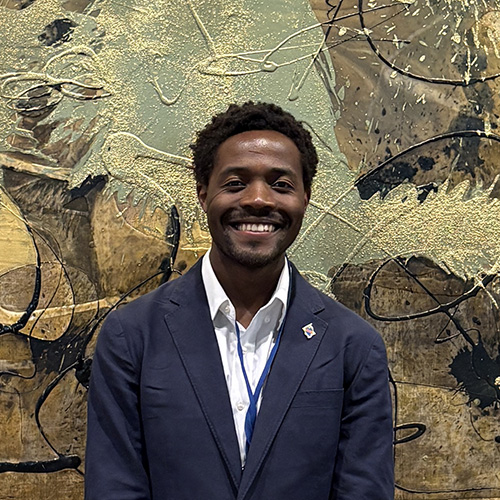
Mapenzi Kinege
Rapid Community Assessment of Water, Sanitation, and Hygiene (WASH) Needs in Lubumbashi, Democratic Republic of the Congo
PRACTICUM SITE: Lubumbashi-Democratic Republic of Congo / University of Lubumbashi
SITE SUPERVISOR: Abel M. Ntambue
DEPARTMENT: Global Health
FACULTY ADVISOR: Ahoua Koné
I am a second-year MPH candidate in the Department of Global Health, with a focus on water, sanitation, and hygiene (WASH), environmental health, and community-based policy. For my practicum project, I worked with the University of Lubumbashi (UNILU) School of Public Health to conduct a rapid community assessment of WASH needs in peri-urban Lubumbashi, Democratic Republic of the Congo. My work included stakeholder interviews, field observations, and a participatory workshop in Kalebuka village to identify challenges and community-driven solutions for safe water access. This experience strengthened my commitment to advancing equitable WASH systems and fostering academic–community partnerships that empower local voices in public health decision-making.
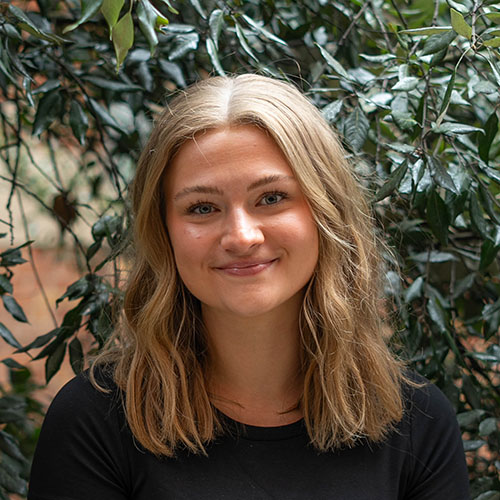
Hannah McKinley
A Content Analysis of Food Donation and Organics Management Laws & Guidance in the United States: A 50 State Summary
PRACTICUM SITE: Association of Food & Drug Officials
SITE SUPERVISOR: Steve Moris
DEPARTMENT: Environmental and Occupational Health Sciences
FACULTY ADVISOR: Emily Hovis
I am a dual Master’s student in Environmental & Occupational Health Sciences and Public Policy & Governance, with a focus on climate, environmental, and health-based policy. Specifically related to air quality and food waste. My practicum project examines state-level food donation and organics management laws to develop resources for the Association of Food & Drug Officials (AFDO) webpage and a practical report for state agencies. How liability protections, tax incentives, and organics diversion requirements shape food donation practices and, in turn, influence food insecurity, a key determinant of health were analyzed. This work examines legislative and regulatory processes, highlighting how evidence, stakeholder input, and ethical considerations are incorporated into policy design and implementation. The project also identifies policy gaps and mechanisms for change so jurisdictions can adopt or enhance food donation and salvage policies to better serve communities and address emerging issues.
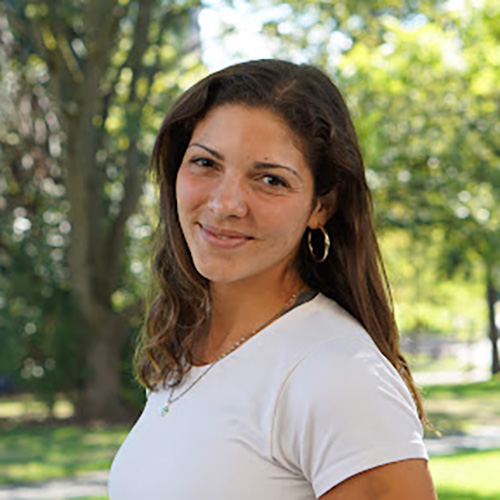
PRACTICUM SITE: City of Seattle
SITE SUPERVISOR: Sean Walsh
DEPARTMENT: Nutrition
FACULTY ADVISOR: Anne Lund
I am a second year MPH student in Food Systems, Nutrition and Health. For the MPH practicum, I worked with the City of Seattle to propose solutions for decreasing food waste in the Summer Meal Service Program (SFSP). The SFSP offers breakfasts, lunches, and snacks while school is out for everyone 18 and younger, no registration or ID required. The City of Seattle wanted to evaluate ideas to decrease food waste from the SFSP meals. I conducted interviews with staff to learn about potential causes of food waste. With that information, I developed a detailed document summarizing key findings and proposed solutions, prioritizing ideas that address the root cause of the food waste. I also presented these findings to relevant City of Seattle staff, who will consider these ideas to minimize food waste in the upcoming SFSPs.
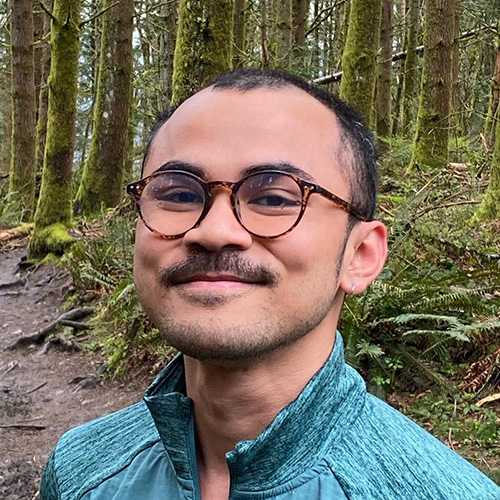
PRACTICUM SITE: Washington State Department of Health
SITE SUPERVISOR: Marnie Boardman
DEPARTMENT: Global Health
FACULTY ADVISOR: Jeff Lane
I am a second-year MPH student in the Department of Global Health. My interests in global health governance in the context of climate change have guided me to do a project with the Washington State Department of Health, the Office of Environmental Public Health Sciences, Climate and Health Section. Pilot Evaluation of Rules for Climate Sensitivity (PERCS) project aimed to develop a tool to evaluate environmental public health rules through climate change lens. Throughout the development, we worked closely with the policy team, the on-site septic system (OSS) team, and the temporary worker housing (TWH) team, which resulted a set of worksheets and then piloted on each OSS and TWH rules. The results set the stage for the Department's further development on creating climate-resilience public health rules.
Anusha Sulladmath
Comprehensive landscape analysis of food insecurity and nutrition education programs across Community Health Centers in Washington
PRACTICUM SITE: Community Health Plan of Washington
SITE SUPERVISOR: Tashau Asefaw
DEPARTMENT: Health Systems and Population Health
FACULTY ADVISOR: Clarence Spigner
I'm a second year MPH student in the Health Systems and Population Health and the Global WACh certificate program. My interests lie in addressing social determinants of health (SDOH), health education, culturally grounded measurement, and program evaluation. For my practicum, I partnered with the Community Health Plan of Washington to map existing food insecurity and nutrition education offerings within their network of Community Health Centers across Washington State. This assessment included understanding reach and content and identifying gaps and opportunities for program enhancement and support.
PRACTICUM SITE: Northwest Kidney Centers Broadway
SITE SUPERVISOR: Matthew Rivara
DEPARTMENT: Epidemiology
FACULTY ADVISOR: Mandy Fretts
This practicum focused on creating a Patient and Family Advisory Council (PFAC) at the Northwest Kidney Centers (NKC) to enhance patient-centered care in dialysis. NKC is the first dialysis organization in the word and provides 25% of all dialysis care in Washington state. The organization has a long history of innovation driven by patient perspectives and this project is an extension of that legacy. Activities included an environmental scan of existing PAC models, eliciting best practices from partner institutions, patient and staff listening sessions resulting in the development of skeleton and materials for a pilot council. The ultimate goal of the project is to empower patients in influencing care delivery and support the organization’s mission to holistically support individuals living with end-stage kidney disease.

Zaw Wai Yan Bo
Advancing Community Healthcare Worker Training Program Evaluation Through Engagement, Reach, and Equity-Informed Learners Data
PRACTICUM SITE: Washington State Department of Health, Community Health Worker Training Program
SITE SUPERVISOR: Kaung Myat Thu
DEPARTMENT: Global Health
FACULTY ADVISOR: Fedinand C Mukumbang
I am a second-year Master of Public Health student in the Department of Global Health with a focus on health systems strengthening through data-driven and equity-informed decision-making. For my practicum, I supported the Washington State Department of Health’s Community Health Worker Training Program (CHWTP) by leading the Learner Data Project, an initiative to build a more effective and sustainable program evaluation infrastructure. I consolidated 14 years of fragmented learner data into a clean, unified dataset representing over 5,000 CHW participants. By linking registration, enrollment, and completion phases, I enabled more accurate and inclusive analysis of program engagement, geographic reach, and equity gaps. I also developed a structured data system and an interactive Power BI dashboard to visualize trends and support timely, equity-centered decision-making. This experience strengthened my skills in public health informatics and affirmed my commitment to culturally responsive evaluation tools that promote sustainable and inclusive workforce development.
Ross Burnside
Information and Misinformation in the Media and Social Media Around Genetics
PRACTICUM SITE: Genetics Program at the Washington State Department of Health (DOH)
SITE SUPERVISOR: Nirupama Shridhar
DEPARTMENT: Public Health Genetics
FACULTY ADVISOR: Benjamin Wilfond
I am a second-year MPH student in the Public Health Genetics cohort. My practicum was with the Genetics Program at the Washington State Department of Health and focused on assessing information, misinformation and disinformation in the media and social media around genetics. The main goal of this project was to elucidate what topics related to genetics may be most prone to disinformation and misinformation. Some examples of topics of interest to this project include clinical and health related-genomics, forensic genetics, ancestry genetic testing, insurance and coverage concerns around genetic testing, and nutrigenomics. The findings from my practicum will be used to determine what topics related to genetics are most in need of educational resources to improve the public’s knowledge about them and reduce further spread of misinformation in the future.
Sofia Donovan
Analytical Support for HIV Portfolio Valuation and Strategic Program Planning
PRACTICUM SITE: START Center
SITE SUPERVISOR: Abie Flaxman
DEPARTMENT: Global Health
FACULTY ADVISOR: Steve Hawes
I am a second-year MPH student in the Department of Global Health with interests in program evaluation and analytical methods for strategic program planning. For my practicum, I supported the Integrated Portfolio Management team at the Gates Foundation through a consulting Research Assistant role with the UW START Center. This work contributed to valuation of the Foundation’s HIV portfolio using the Spectrum Goals model developed by Avenir Health. I conducted literature reviews to inform model inputs, visualized UNAIDS-based outputs to support program teams’ understanding of model behavior, and performed a sensitivity analysis to contextualize uncertainty in results. These contributions informed internal analyses used by strategy teams to support program planning and resource prioritization for HIV investments in low- and middle-income countries.
Becca Duncan
Development Work at Porsesh Policy Research Institute: Building, Document and Analyzing Grant Application Efforts for a Community-Based Health Research Organization
PRACTICUM SITE: Porsesh Policy Research Institute
SITE SUPERVISOR: Ehsan Shayegan
DEPARTMENT: Epidemiology
FACULTY ADVISOR: Christine Krosropour
I am a second year MPH student studying Epidemiology. For my Practicum, I worked with the Porsesh Policy Research Institute to address the lack of organizational structure for the grant application process and lack of documentation about this work. In addition to coordinating logistics, I was asked to seek out funding opportunities, draft proposal ideas, apply for grants, document that process, and collect data about the whole team’s applications throughout that process. This structure, documentation and grant application data created a roadmap for development team members, as well as a built in tool to analyze grant application data and guide future application work.
Nariman Elshamma
Evaluation of WAWAC’s Sutura Housing Project: Barriers, Facilitators, and Recommendations to Improve Housing Equity and Access
PRACTICUM SITE: Washington West African Center
SITE SUPERVISOR: PA Ousman Joof
DEPARTMENT: Global Health
FACULTY ADVISOR: Rabi Yunusa
I am a second-year MPH student in the Department of Global Health, dedicated to addressing social determinants of health by advancing equity within marginalized and underserved populations in my research and career endeavors. For this practicum, I evaluated the Washington West African Center’s Sutura Housing Project: Master Leasing and Housing Diversion programs to identify barriers and facilitators impacting housing accessibility among program beneficiaries, and provided key recommendations based on these findings.
I was responsible for selecting and designing materials for data collection and analysis, led participant recruitment, and conducted interviews with 16 community members, including leasing managers, who had participated in the Sutura Housing Project. This resulted in a comprehensive report and presentation of the project’s findings and key recommendations, which were shared with staff and community members.
Jamie Lan
Evaluation of the Snohomish County Health Department Emergency Response Toolkit
PRACTICUM SITE: Snohomish County Health Department
SITE SUPERVISOR: Elizabeth Cox
DEPARTMENT: Epidemiology
FACULTY ADVISOR: Vivian Hawkins
I am a second-year MPH student in the Epidemiology department, with interests in applied epidemiology and public health practice. For my practicum project, I worked with the Public Health Emergency Preparedness and Response (PHEPR) team at the Snohomish County Health Department to conduct an evaluation of their Emergency Response Toolkit. The Toolkit is a comprehensive collection of public-health specific resources intended to support local health jurisdictions (LHJ) in their emergency responses. I interviewed PHEPR leaders across five different LHJs in Washington state to understand their perspectives on the strengths, areas for improvement, and recommendations for the Toolkit. I synthesized their feedback with my own recommendations into an Evaluation Report, and created an outline for suggested updates to improve the organization of the Toolkit. Thank you to Elizabeth Cox, Partnership and Evaluation Specialist, for being a wonderful Site Supervisor on this project!

Sarah Mahan
Creating community advocacy spaces: organizing the first annual Seattle Celebration of Cord Blood
PRACTICUM SITE: National Cord Blood Network
SITE SUPERVISOR: Christina Melief
DEPARTMENT: Health Systems and Population Health
FACULTY ADVISOR: Clarence Spigner
My name is Sarah Mahan, and I am a second year Master's student in the Health Systems and Population Health Department. I am passionate about addressing issues of equitable accessibility and affordability of health resources, specifically those with extremely high price tags. I currently work at Fred Hutch in the Cord Blood Transplant Program as a Project Manager where I conduct research and program operations to increase donor accessibility for every person in need of a stem cell transplant. For my practicum project, I partnered with the National Cord Blood Network (NCBN), a national non-profit working to increase access to cord blood transplant, improve transplant practices, and increase collaboration for the practice in a severely disjointed academic and clinical landscape. With grant funding they recently received, I planned, executed, and evaluated the first Celebration of Cord Blood event. This event engaged scientific and non-scientific stakeholders with information about cord blood transplant research and patient stories.
Htoo Mar Lar
Strengthening Food Security Interventions: Developing M&E Tools, Integrated Frameworks, and Digital Communication Strategies
PRACTICUM SITE: PSA
SITE SUPERVISOR: Karl Weyrauch
DEPARTMENT: Global Health
FACULTY ADVISOR: David Mukasa
I am a second-year MPH student in the Department of Global Health. For my practicum, I collaborated with PSA, a non-profit organization dedicated to serving indigenous communities in Rwanda, where I contributed to their school meal initiative. My practicum involves developing a monitoring and evaluation plan for the school meal project, creating a theory of change framework, and enhancing program tracking and integration with the organization's existing Plan-Do-Study-Act (PDSA) cycles. I have also worked on developing a digital communication strategy & continuity handbook to guide future volunteers and staff in content creation, workflow, and platform use, to ensure communication consistency. With these practicum deliverables, I aim to contribute to reinforcing the M&E system and foster a culture of continuous learning and adaptive management within the organization, as well as to strengthen the sustainability and scalability of the school meal initiative.
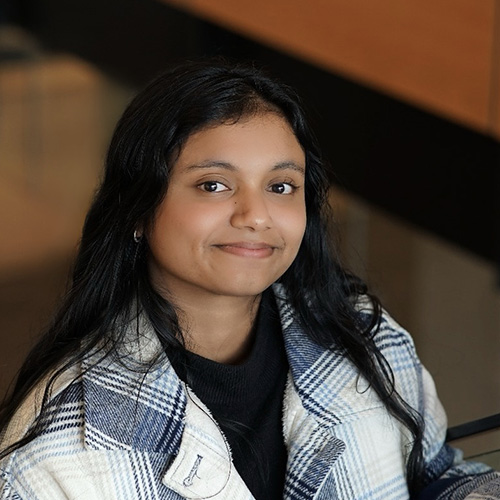
Pooja Manjunath
Addressing Disparities in Early Autism Intervention: Identifying Gaps and Opportunities for Equitable Access to Early Autism Resources
PRACTICUM SITE: University of Washington Autism Center - Institute on Human Development & Disability
SITE SUPERVISOR: Annette Estes
DEPARTMENT: Health Systems and Population Health
FACULTY ADVISOR: Molly Firth
I am a second-year MPH candidate in the Department of Health Systems and Population Health, specializing in Health Systems and Policy, with interests in policy, health communication, and health equity. For my practicum, I worked with the University of Washington Autism Center - Institute on Human Development & Disability to analyze resources/ services that increase equitable access to autism diagnoses and care for families across Seattle and King County. I collaborated with the UW On-Time Autism Intervention (OTAI) and UW Autism Support 360 (AS360) teams to help support efforts to identify and address systemic barriers to timely autism diagnosis and culturally responsive care, through a literature review and AS360 digital platform Gap Analysis. My work focused on identifying barriers, facilitators, treatment deserts, and disparities among children to help improve autism diagnosis rates and services in Washington. I also proposed strategies to engage stakeholders and build coalitions to expand AS360’s reach and impact.
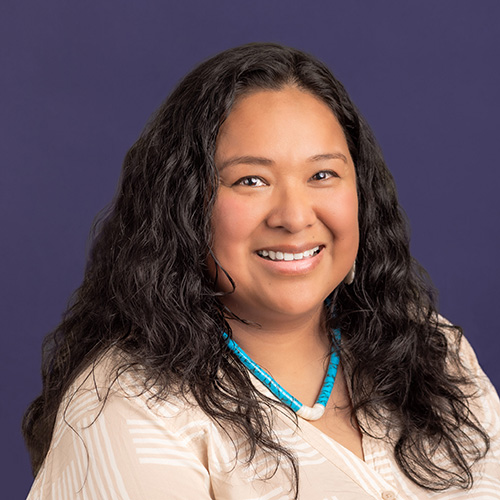
Mikyla Sakurai
A Community Centered Integrative Practice Approach to Improving Pacific Islander Educational Outcomes
PRACTICUM SITE: Ola Pasifika
DEPARTMENT: Health Systems and Population Health
FACULTY ADVISOR: Sonia Duckworth
My practicum project was with Ola Pasifika, a research collective located at the University of Washington's School of Social Work led by Pasifika people for Pasifika people. The collective utilizes Pasifika, Indigenist, decolonizing, and community-based participatory research practices to holistically study the physical, social, and spirtual aspects of health and wellness of Pacific Islanders, people of color, and other Indigenous communities. My practicum work focused on identifying educational disparities experienced by Pacific Islander students and engaging with community based organizations to provide culturally relevant programming and policy support to address the disparities.
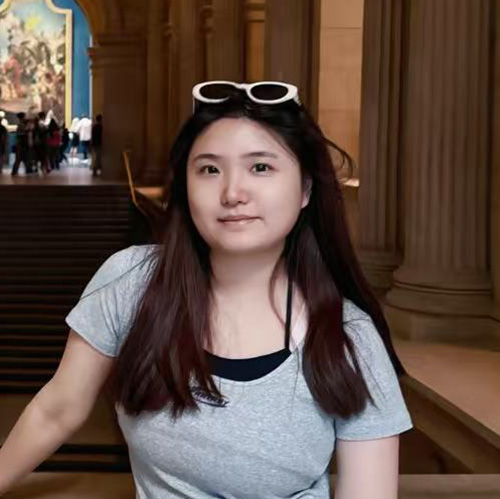
Jiabao Sun
Designing and Testing Survey Methodology for Food Safety Practices with Frozen Dessert Machines
PRACTICUM SITE: Washington State Department of Health / Food Safety Program
SITE SUPERVISOR: Susan Shelton
DEPARTMENT: Environmental and Occupational Health Sciences
FACULTY ADVISOR: Emily Hovis
I am a second-year MPH student in the Environmental and Occupational Health Sciences Department. For my practicum, I worked with the Washington State Department of Health on a project aimed at improving food safety practices related to frozen dessert machines. My work focused on supporting an observational study involving local health departments in Washington State. I contributed to the design and revision of manager and food worker surveys and site visit forms, developed printed survey materials, and assisted with the creation of the notification letters. I also participated in inspector training presentations and conducted pilot testing of the survey tools in Bellevue. In addition, I helped collect data and summarize responses received from food establishments, health inspectors, and food workers. This project will give some support to future policy and inspection practices related to frozen dessert machine hygiene.
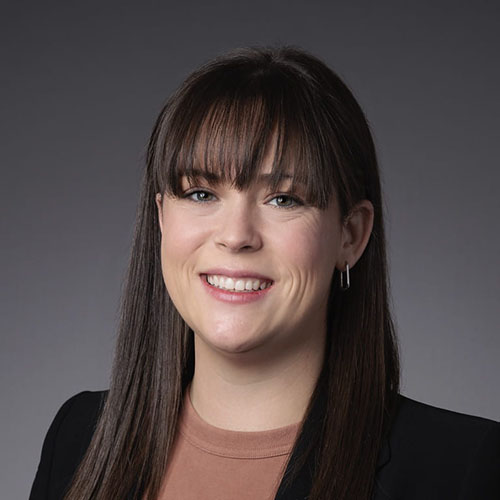
PRACTICUM SITE: University of Washington
SITE SUPERVISOR: Candace Vig
DEPARTMENT: Health Systems and Populations Health
FACULTY ADVISOR: Miruna Buta
I'm a second year MPH student in Health Systems and Population Health. I also work as a program manager at the UW Institute on Human Development and Disability, where I manage a clinical and therapeutic team of providers who help individuals with Intellectual and Developmental Disabilities return to their communities after involvement with the criminal legal system. I am completing my practicum at the University of Washington Adult Autism Clinic, where wait times for services have reached three years. High demand and limited providers have created significant access barriers, especially for Medicaid patients. My practicum evaluates and improves referral and intake processes while developing patient-facing resources to support individuals navigating care. Deliverables include website enhancements explaining clinic services and pathways to care, an expanded community resource guide covering diagnostic alternatives and support services, patient navigation materials for those awaiting appointments, internal process flowcharts identifying system improvements, and EPIC-integrated resource guides for clinical staff. This work addresses the backlog bottleneck while improving equitable access and reducing administrative burden for both patients and providers seeking autism-related care.
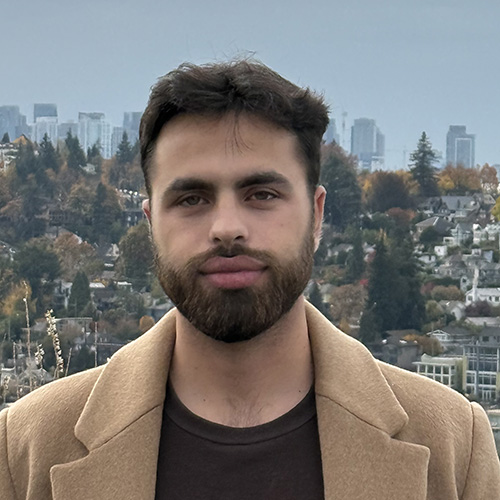
Husam Alattar
Context-Informed TB Education for Migrant/Refugee Communities and Healthcare Providers in King County
PRACTICUM SITE: EthnoMed
SITE SUPERVISOR: Celine Barthelemy
DEPARTMENT: Global Health
FACULTY ADVISOR: Keshet Ronen
I’m a second-year MPH student in the Department of Global Health, focused on improving health outcomes for medically underserved communities. Over the summer, I collaborated with EthnoMed’s TB initiative to build TB profiles for immigrants and refugees in King county, and produced Arabic-language PSAs for patients and providers on the BCG vaccine, latent TB infection, and measles outbreaks. I also co-hosted an episode of EthnoMed’s Provider Pulse podcast highlighting the team’s mission and work for culturally responsive care.
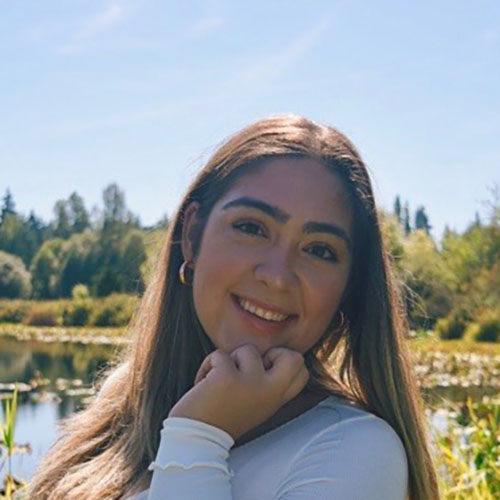
Neta Gilderman
Chlamydia Among Older Adults (50+ years) in Snohomish County from 2019-2024
PRACTICUM SITE: Snohomish County Health District
SITE SUPERVISOR: Miyuki Blatt
DEPARTMENT: Epidemiology
FACULTY ADVISOR: Janet Baseman
I am a second year MPH student in the department of Epidemiology with a passion for connecting clinical and behavioral epidemiology for prevention of STIs. My practicum project focused on understanding STI trends and sexual health needs among adults aged 50 and older in Snohomish County. I analyzed surveillance data from 2019 to 2024 to examine chlamydia trends, testing locations, partner gender, reported behaviors such as condom use and injection drug use, and how care seeking differed by insurance status and socioeconomic factors. I also compared patterns among older adults to those aged 18 to 34 and 35 to 49 to identify meaningful differences in testing and risk profiles. Based on these analyses, I developed a cleaned analytic dataset, figures, and a finalized data brief and presentation to disseminate findings to internal teams and community partners. These materials will support program planning, education efforts, and future data collection focused on older adults who are often underrepresented in STI prevention initiatives.
Alexa Giovanatti
Promoting equitable TB and vaccine care through culturally-tailored provider resources
PRACTICUM SITE: EthnoMed
SITE SUPERVISOR: James Sherrell
DEPARTMENT: Epidemiology
FACULTY ADVISOR: Adrienne Shapiro
This project was conducted in conjunction with EthnoMed, which purposes to bridge health care providers and community members of immigrant backgrounds. In King County, ~24% residents are foreign born, yet constitute ~85% of the county’s tuberculosis (TB) cases. Rising vaccine hesitancy is concerning in the current political climate, and as a TB vaccine is anticipated to be released by 2030. Improving provider cultural competency may lend to improved TB and vaccine care. As such, I created provider resources including TB cultural profile webpages for Vietnam and Ethiopia. Additionally, I developed a vaccine communication strategies newsletter, informed by a qualitative survey of infectious disease providers in Washington state, vaccine confidence seminars, and existing literature.
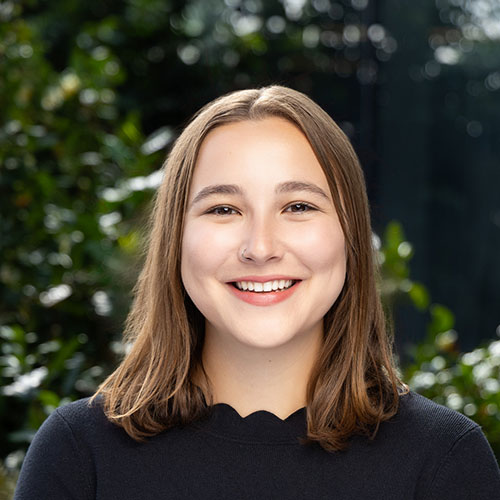
Audrey Hersman
LRTI Product Valuation the Gates Foundation Integrated Portfolio Management Team
PRACTICUM SITE: START Center on behalf of the Gates Foundation
SITE SUPERVISOR: Abraham Flaxman
DEPARTMENT: Epidemiology
FACULTY ADVISOR: Jessie Seiler
I am a second-year MPH student in Epidemiology at the University of Washington, with a Bachelor of Science in Biology and International Studies from Boston College. My work centers on applying rigorous data analysis to inform global health programs and policy, with a particular focus on infectious diseases.
I currently serve as a graduate research assistant at the University of Washington START Center, where I support Gates Foundation initiatives through systematic reviews, quantitative data analysis, and product valuation modeling. My work involves synthesizing evidence across diverse data sources to inform strategic decision-making around product development and investment. Prior to graduate training, I worked as a Program Associate with the Malaria and Neglected Tropical Diseases program at PATH, where I supported operational research and implementation projects, gaining hands-on experience at the intersection of research and program delivery.
For my MPH practicum, I worked with the Gates Foundation’s Integrated Portfolio Management team to support evidence-based product development and portfolio planning. I led data collection, modeling, and analytic workflows in support of a valuation of products for the prevention of lower respiratory tract infections among infants, including data acquisition and cleaning, revising valuation models using custom R scripts, and conducting analyses with rigorous quality-control checks. I synthesized results on cost-effectiveness and expected health impact and translated these findings into clear data visualizations and presentation materials for internal stakeholders. Through this experience, I strengthened my skills in applied modeling, advanced data analysis, and communicating complex quantitative evidence to inform strategic global health decisions.
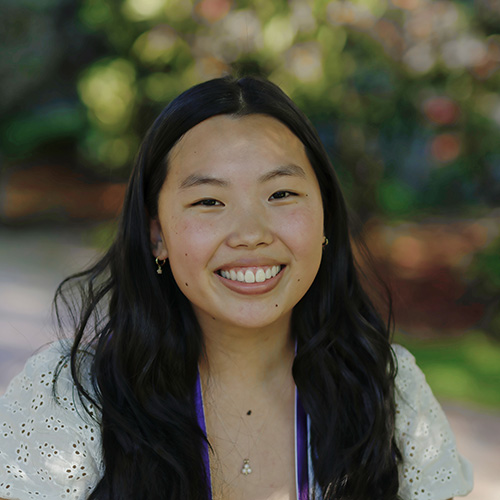
Angella Kim
An Evaluation of the Vaccines for Children (VFC) and Vaccine Access Program (VAP) in Oregon State
PRACTICUM SITE: Northwest Center for Public Health Practice/Oregon Health Authority
SITE SUPERVISOR: Megan Rogers
DEPARTMENT: Health Systems and Population Health
FACULTY ADVISOR: Clarence Spigner
I am a second-year MPH student in the Department of Health Systems and Population Health with interests in program evaluation, vaccine access, and primary health care. For my practicum, I worked with the Northwest Center for Public Health Practice and the Oregon Health Authority to evaluate provider experiences with the Vaccines for Children (VFC) program and Vaccine Access Program (VAP) and identify opportunities to strengthen Oregon’s immunization infrastructure. With the evaluation team, I supported 32 key informant interviews with different enrolled VFC/VAP provider types, with interview participants representing 20 counties in the state. This evaluation aims to improve understanding of the experiences and barriers faced by current VFC and VAP providers, assess potential disenrollment risk, and examine immunization referral practices. It additionally explores vaccine delivery barriers and referral patterns among non-enrolled practices that see children but do not offer routine immunizations during well-child visits.
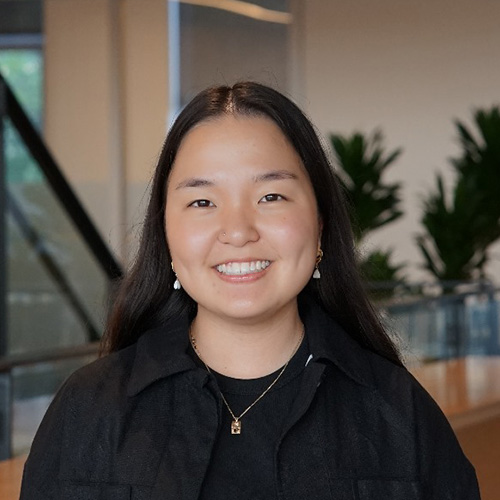
PRACTICUM SITE: Fred Hutch Cancer Center: Office of Community Outreach and Engagement
SITE SUPERVISOR: Carrie Nass
DEPARTMENT: Health Systems and Population Health
FACULTY ADVISOR: Clarence Spigner
I am a second-year MPH in Health Systems and Population Health on the generalist track. For my practicum, I worked with the Fred Hutch Office of Community Outreach and Engagement (OCOE), which, alongside community partners, improves health outcomes and addresses cancer disparities through collaboration with partners in the State of Washington. My role focused on creating county fact sheets for Washington State that highlighted cancer frequency, demographics, screening, risk factors, and informational resources. By completing these fact sheets, this is a step in the right direction toward recognizing and addressing cancer health inequities across counties and the state.
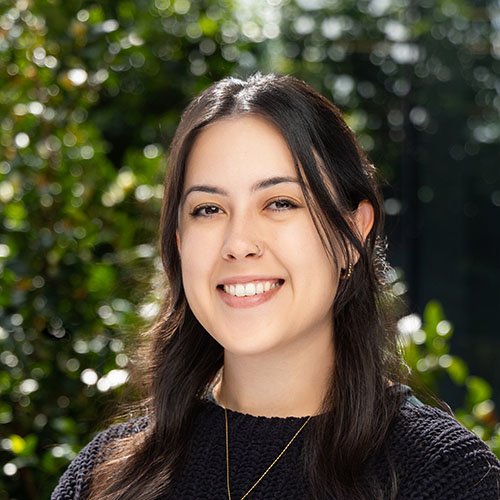
PRACTICUM SITE: UW Start Center
SITE SUPERVISOR: Patricia Pavlinac
DEPARTMENT: Epidemiology
FACULTY ADVISOR: Jessie Seiler
I am a second-year MPH student in epidemiology with an interest in infectious disease epidemiology and vaccine delivery. I completed my practicum project for on behalf of the Gate’s Foundation Vaccine Development team on behalf of the UW START Center. The goal of this project was to establish the feasibility and existence of 6-month well-child visits in Gavi-supported countries, to serve as a platform for novel vaccine delivery, such as the malaria vaccine. My work involved creating a database of 6-month visits, activities, and adherence in Gavi-supported countries along with detailed, country specific case studies describing success, challenges, and lessons learned about new vaccine introductions and schedule changes within their specific contexts. I compiled results from the database and case studies to provide a recommendation for efficient ways to leverage a new well-child visit in the existing EPI schedule to maximize early life touchpoints with the health care system.

PRACTICUM SITE: START Center on behalf of the Gates Foundation
SITE SUPERVISOR: Brandon Guthrie
DEPARTMENT: Epidemiology
FACULTY ADVISOR: Scott McClelland
I am a second-year MPH student in the Department of Epidemiology. For my practicum, I worked with the UW START Center on behalf of the Gates Foundation on a project focused on characterizing global serotype distribution of invasive pneumococcal disease. I conducted a literature review of studies published between May 2025 and January 2026 that reported serotype data from sterile-site isolates. Building on this work, I contributed to the development of an interactive Shiny dashboard that visualizes serotype distributions and pneumococcal vaccine coverage across regions, age groups, and time periods. The dashboard is designed to support routine analysis of isolate trends and enables comparisons of serotype patterns before and after 2020. This project aims to improve accessibility of global IPD data and support ongoing surveillance and vaccine-related research.
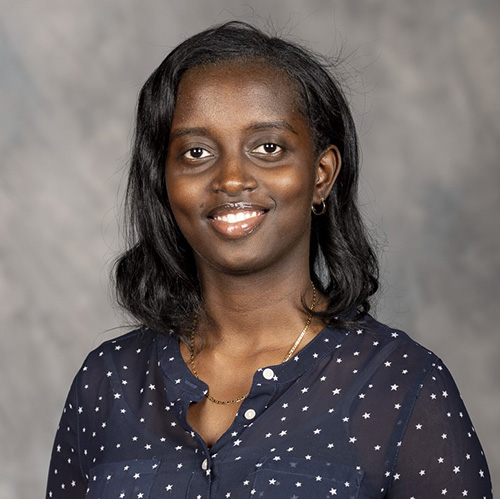
Christelle Urujeni
Implementing a Proactive Approach to Communicate and Teach about HPV vaccination in pharmacies: IMPACT HPV study
PRACTICUM SITE: Fred Hutchinson Cancer Center
SITE SUPERVISOR: Parth Shah
DEPARTMENT: Global Health
FACULTY ADVISOR: Michele Andrasik
I am a second-year MPH Global Health candidate with a focus and passion for cancer care, prevention, and health systems strengthening. I completed my practicum with a team in the Hutchinson Institute for Cancer Outcomes Research (HICOR), an institute within Fred Hutch, on aspects of an HPV vaccination national survey research study. My role was two-fold, consisting of assisting with the development and design of a national survey to be fielded to a representative sample of U.S. adults who are parents or guardians of children ages 9-17. Additionally, I updated training materials that will be used to educate pharmacy staff on proactive communication about vaccine provision with parents and guardians of children ages 9-17. This opportunity allowed me to apply my skills and knowledge to contribute to cancer prevention efforts on a large scale, which was extremely fulfilling for me.
Disability Accommodation
The University of Washington is committed to providing access, equal opportunity and reasonable accommodation in its services, programs, activities, education and employment for individuals with disabilities. To request disability accommodation, contact Chelsea Elkins (sphaccess@uw.edu).